Orbital exposure experiment
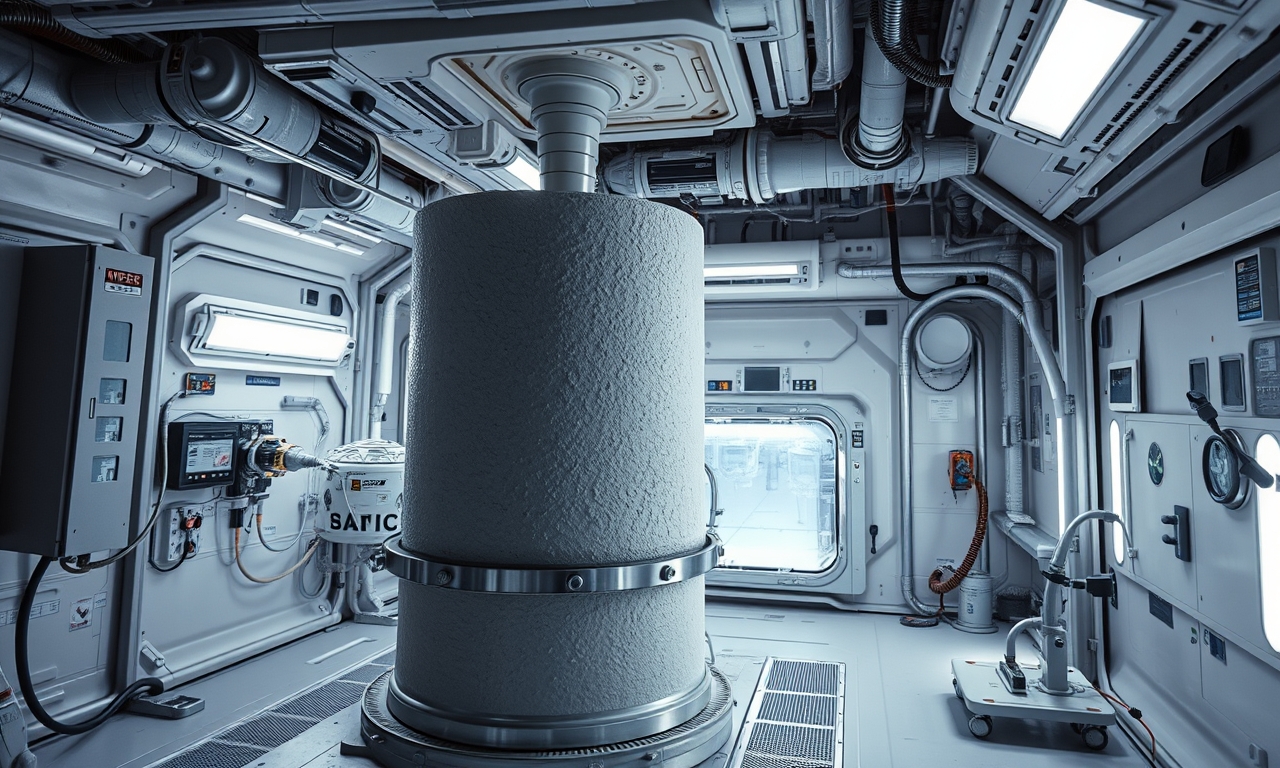
The University of Delaware placed several prototypes of a lunar‑compatible cement material on the exterior of the International Space Station. For six months the samples were subjected to the harsh environment of low‑Earth orbit, including vacuum, radiation, and extreme temperature cycles.
Assessing material durability
After retrieval, the specimens were examined for compressive strength, density, and micro‑cracking. In a number of tests the space‑exposed samples outperformed Earth‑stored control pieces.
Findings and potential uses
The analysis revealed that exposure to the orbital environment increased crystal formation, enhancing compressive strength. The samples also displayed reduced porosity, a desirable trait for construction on the Moon where low gravity and large temperature swings are expected.
Implications for lunar habitats
Researchers consider the results a significant step toward building sustainable infrastructure on the Moon. The material could be produced from locally sourced regolith, minimizing the need to launch construction supplies from Earth.
Future work
- Extended testing under simulated lunar conditions
- Refinement of the mix to lower mass
- Integration into upcoming NASA and ESA lunar habitat projects