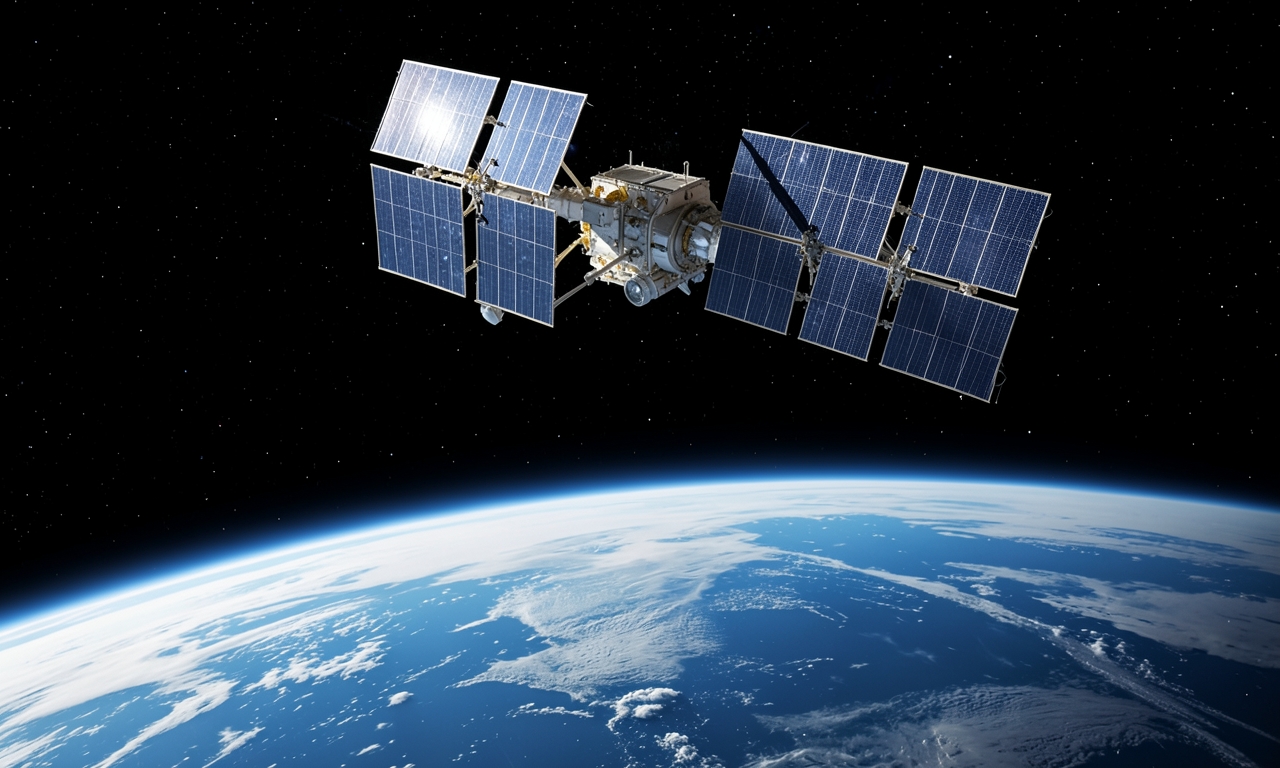
Early detection from deep space
At present, notifications about geomagnetic disturbances typically arrive around fifteen minutes before their effects are felt on the ground. A newly developed measurement unit from the United Kingdom intends to extend that lead time to as much as three hours by operating far from Earth.
The device is named MAGIC, short for MAGnetometer from Imperial College, and was created at Imperial College London. It will fly aboard a small satellite bound for deep space, with the purpose of recording solar activity earlier than current near-Earth systems allow.
ESA's HENON mission set for 2027
The carrier for the instrument is the Heliospheric Pioneer for Solar and Interplanetary Threats Defense, abbreviated HENON, a CubeSat initiative of the European Space Agency. Launch of the mission is scheduled for early 2027. By pairing compact satellite design with precise sensing, the project seeks to strengthen monitoring of solar hazards.
- Compact magnetometer as central element
- Placement in deep space for advance warning
- Launch planned at start of 2027
If the system performs as intended, operators of essential services, satellite firms, and power-grid managers would gain far more time to activate protective steps. The effort illustrates how small, low-cost spacecraft are taking on increasingly demanding space-surveillance roles.