Science & Research

Moonquakes could reveal ice buried beneath lunar south polar craters

1 min read
Moonquakes could reveal ice buried beneath lunar south polar craters
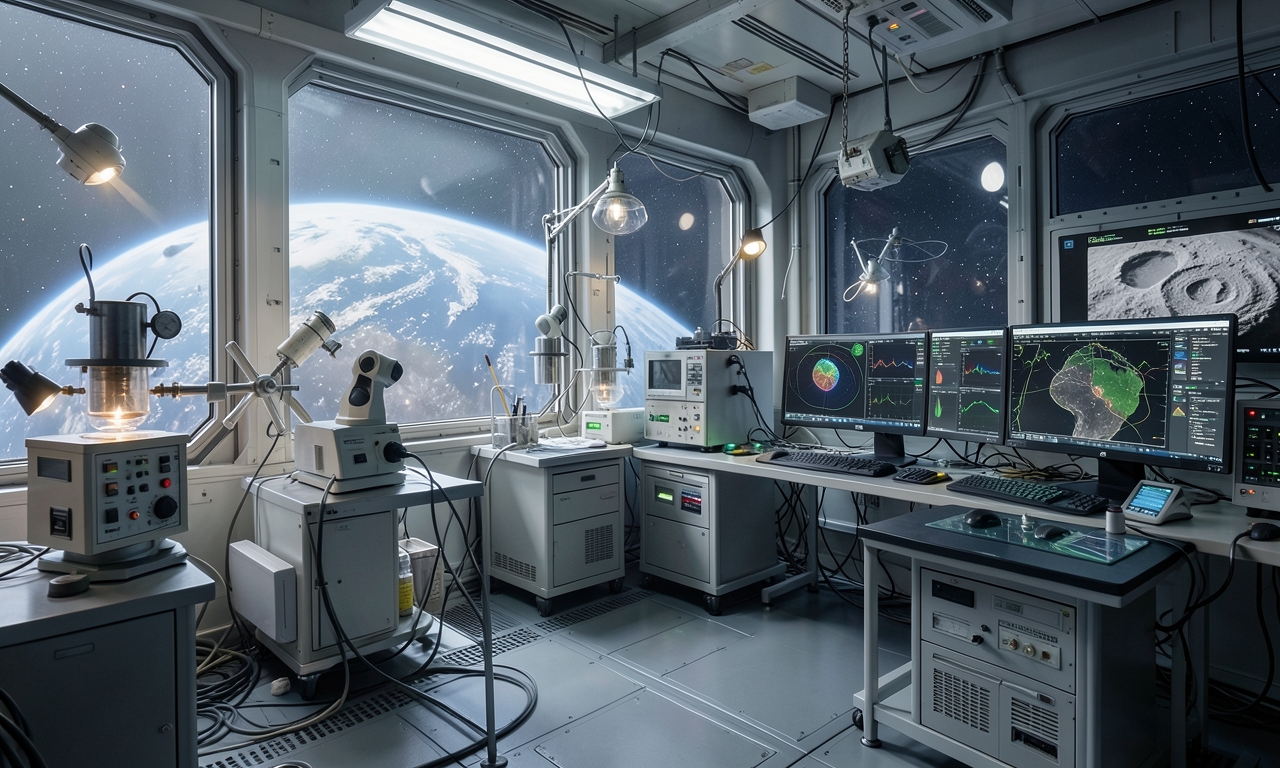
AI-generated illustration
This article was produced with AI assistance and editorially curated from public sources.

The concept that moonquakes might be used to locate ice relies on the idea that seismic waves travel through the lunar subsurface and exhibit changes that could indicate the presence of water.

By measuring these vibrations, researchers aim to pinpoint ice deposits in the permanently shadowed craters at the Moon’s south pole.

A successful detection would aid future lunar missions by identifying potential resources for drinking water, oxygen and rocket fuel.

The approach depends on the fact that seismic waves propagate differently through ice than through dry rock, allowing anomalies in the signal to reveal subsurface ice.

Frequently asked questions

Wie könnten Mondquakes beim Auffinden von Eis helfen?

Die Vibrationen von Mondquakes erzeugen seismische Wellen, deren Verlauf durch Eis anders ist als durch Gestein, wodurch mögliche Eisvorkommen detectable werden.

Warum liegt das Fokus auf den südpolaren Mondkratern?

Diese Krater sind dauerhaft im Schatten und könnten Eis enthalten, das sonst durch Sonnenlicht verdampft wäre.

Welchen Nutzen hätte die Entdeckung von Mondwasser für zukünftige Missionen?

Nachweisbares Eis könnte als Quelle für Trinkwasser, Sauerstoff und Treibstoff dienen und die Kosten und Logistik von Mondaufenthalten reduzieren.