Mars & Moon

NASA Administrator Defends All-Male Crew Selection for Artemis 3

1 min read
NASA Administrator Defends All-Male Crew Selection for Artemis 3
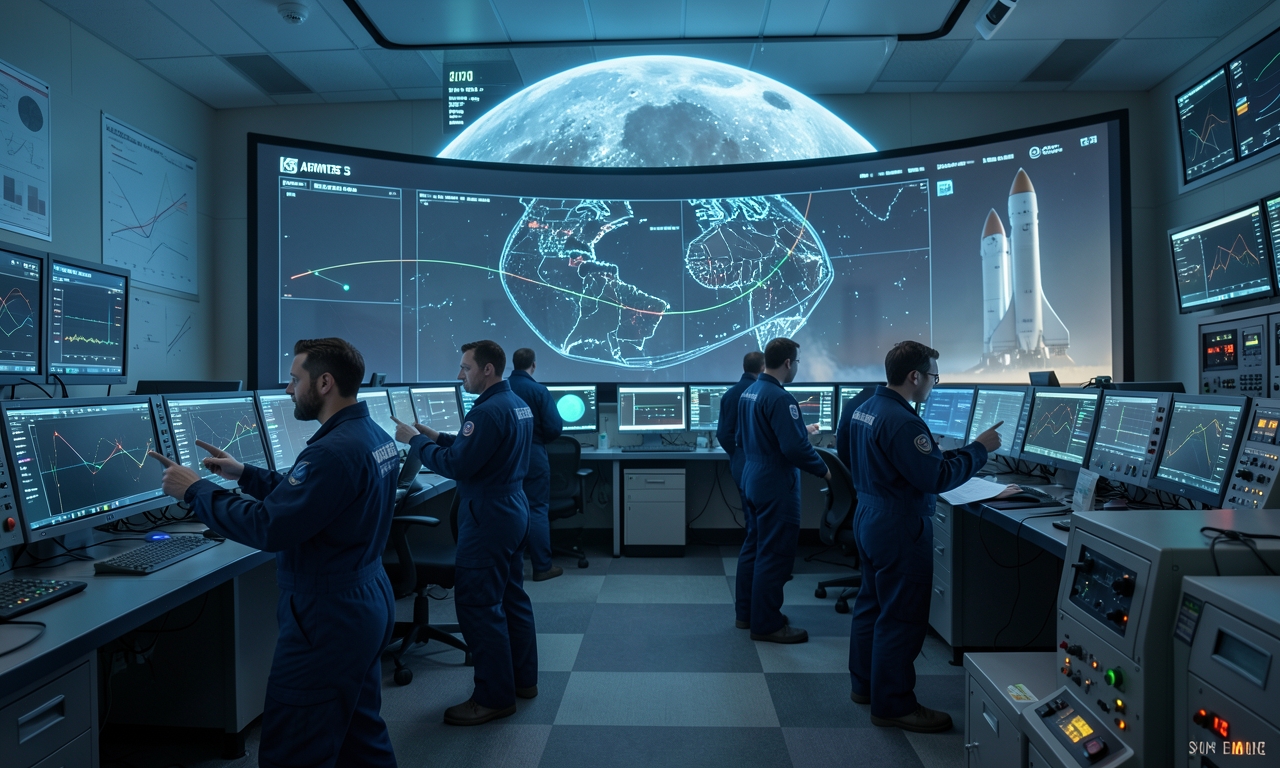
AI-generated illustration
This article was produced with AI assistance and editorially curated from public sources.

On Tuesday at the Johnson Space Center, NASA unveiled the crew for the forthcoming Artemis 3 mission, aimed at testing rendezvous and docking procedures in low‑Earth orbit before deploying SpaceX and Blue Origin moon landers.

The agency’s administrator defended the all‑male crew selection, stating that the decision was based on technical and operational considerations. He emphasized that the mission’s complexity requires a team with specific expertise and proven experience.

The four astronauts, all of whom have participated in prior Artemis missions, were chosen for their technical skills, physical conditioning, and ability to handle emergency protocols.

NASA reiterated its commitment to gender equality, noting that future missions will strive for more diverse crews. The agency is actively working to increase female participation in upcoming spaceflight programs.

Artemis 3 represents a critical milestone toward a crewed lunar landing in the 2030s. The mission’s findings will refine the techniques needed for safe lunar landings and return operations.

Frequently asked questions

Warum wurde ein ausschließlich männliches Team ausgewählt?

Der Administrator erklärte, dass die Mission komplexe Tests erfordert, die derzeit von den bisherigen Missionen der internationalen Raumfahrtgemeinschaft unterstützt werden und dass die Auswahl auf technischen und betrieblichen Erwägungen beruht.

Welche Schritte unternimmt NASA, um die Geschlechterdiversität zu erhöhen?

NASA arbeitet aktiv an der Integration von mehr Frauen in zukünftige Raumfahrtprogramme und strebt bei kommenden Missionen eine diversifizierte Besatzung an.

Was ist das Ziel der Artemis 3-Mission?

Artemis 3 soll die Ankunfts- und Ankerungsverfahren in der niedrigen Erdumlaufbahn testen, um die Sicherheit und Zuverlässigkeit für zukünftige bemannte Mondlandungen zu gewährleisten.