Artemis 3 Crew and Mission Overview
NASA has officially named the astronauts who will fly on the upcoming Artemis 3 mission, marking the next step in returning humans to the Moon and testing new exploration technologies.
Low‑Earth‑Orbit Rendezvous
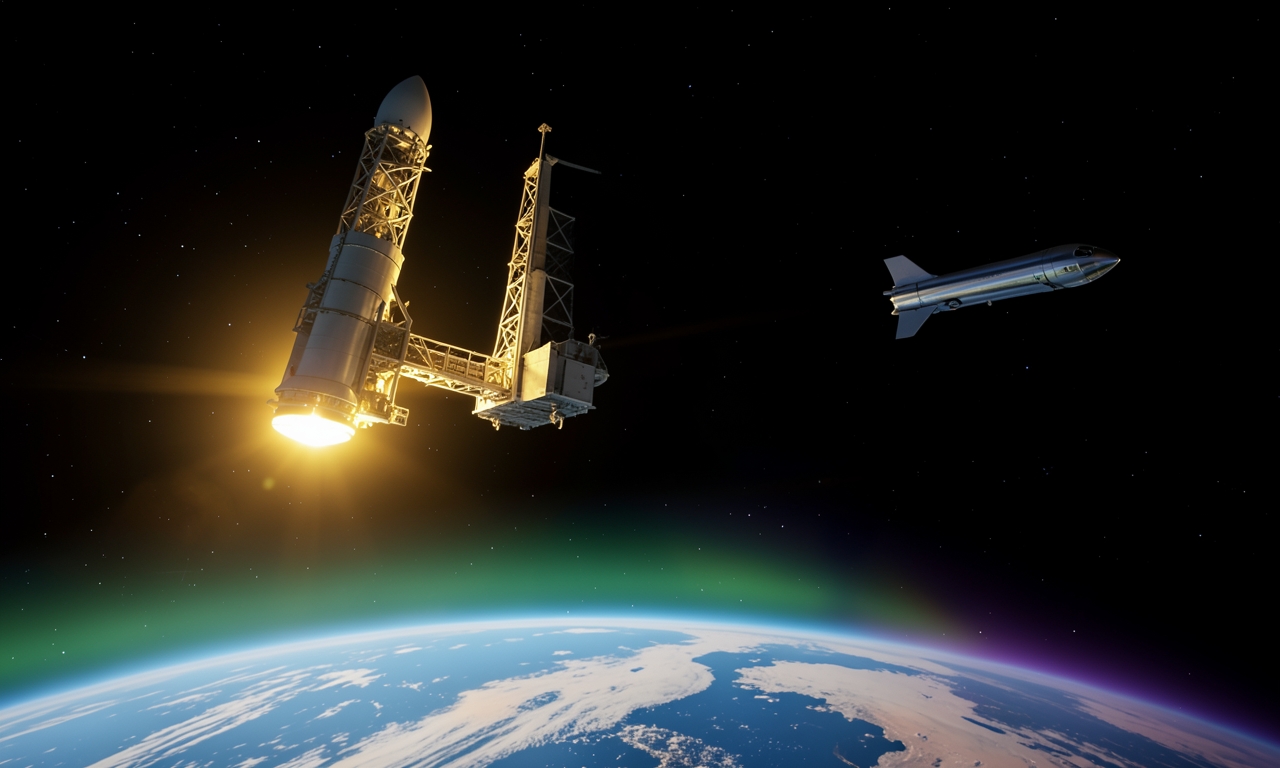
A key component of the flight plan involves a rendezvous in low Earth orbit where the Orion spacecraft will dock with one or both of the Human Landing System (HLS) vehicles: Blue Origin’s Blue Moon Mark 2 and SpaceX’s Starship.
Landing System Capabilities
The Blue Moon Mark 2, developed by Blue Origin, is a reusable lunar lander designed to transport crew and cargo to the Moon’s surface. SpaceX’s Starship, a fully reusable spacecraft, is also slated to serve as a lunar lander, offering a larger payload capacity.
Mission Sequence
Following launch, Orion will enter a low‑Earth orbit to meet the HLS vehicle(s). After docking, the combined stack will perform a trans‑lunar injection, initiate descent, and land astronauts on the Moon.
Implications for Future Exploration
Success of Artemis 3 is viewed as critical for sustained lunar presence and as a stepping stone toward future Mars missions. Employing multiple lander options aims to increase NASA’s flexibility and mission redundancy.