A novel tool for cloud research
A team at NASA’s Jet Propulsion Laboratory has completed a small, multi‑frequency radar called CloudCube. Designed to simplify atmospheric observations, the instrument provides richer data on rapidly evolving cloud systems.
Technical characteristics
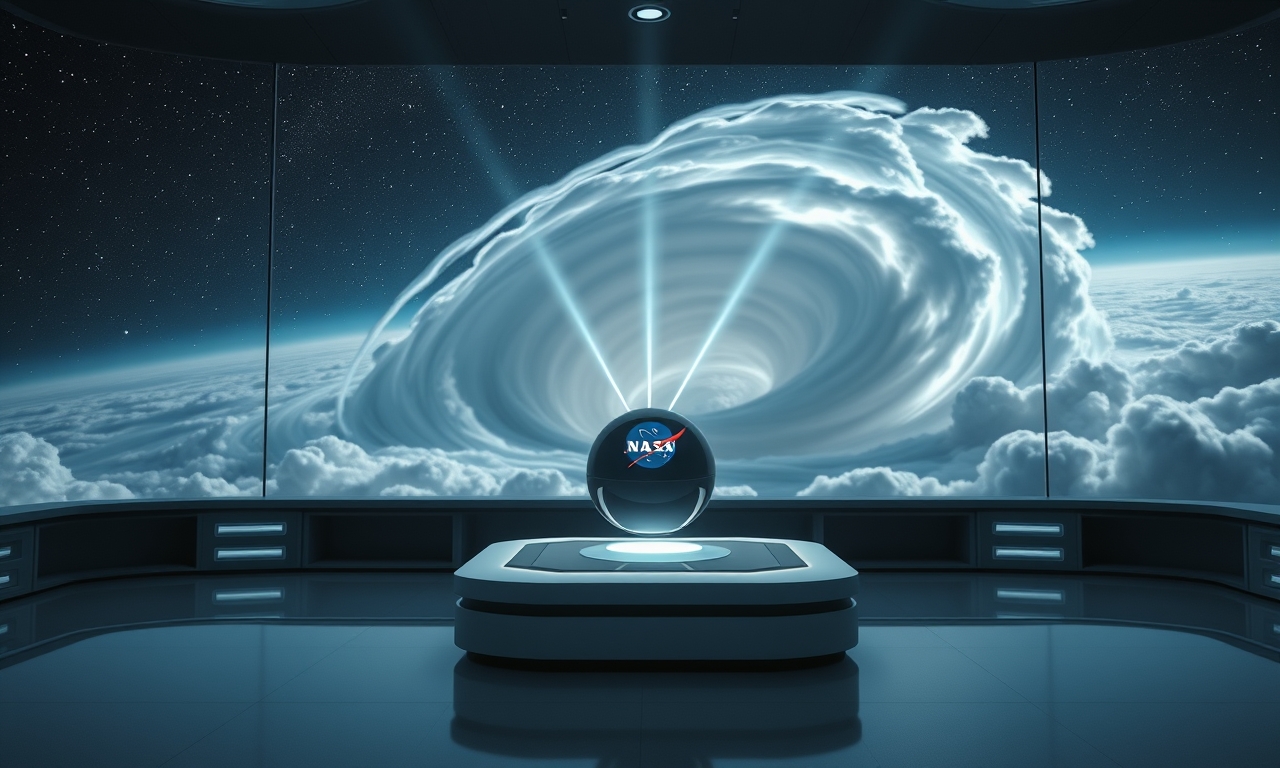
CloudCube operates with three simultaneous radar beams covering frequencies from 36 GHz to 240 GHz. This range enables detection of both fine water droplets and larger ice particles, enhancing sensitivity to a wide spectrum of particle sizes.
Advantages over traditional systems
Compared with larger ground‑based radars, CloudCube is considerably more compact and easier to integrate onto aircraft or satellite platforms. Using multiple frequencies at once eliminates the need for separate measurements and improves the temporal resolution of weather observations.
Potential applications
The technology is slated for deployment on research aircraft, unmanned aerial systems, and possibly future Earth‑observing satellites. Precise profiling of cloud structure and precipitation processes can refine weather models and deepen understanding of climate dynamics.
Future outlook
Following successful laboratory and field trials, the JPL plans to incorporate CloudCube into larger campaign deployments. The outcomes may pave the way for a new generation of miniaturized radar systems serving both fundamental science and operational forecasting.