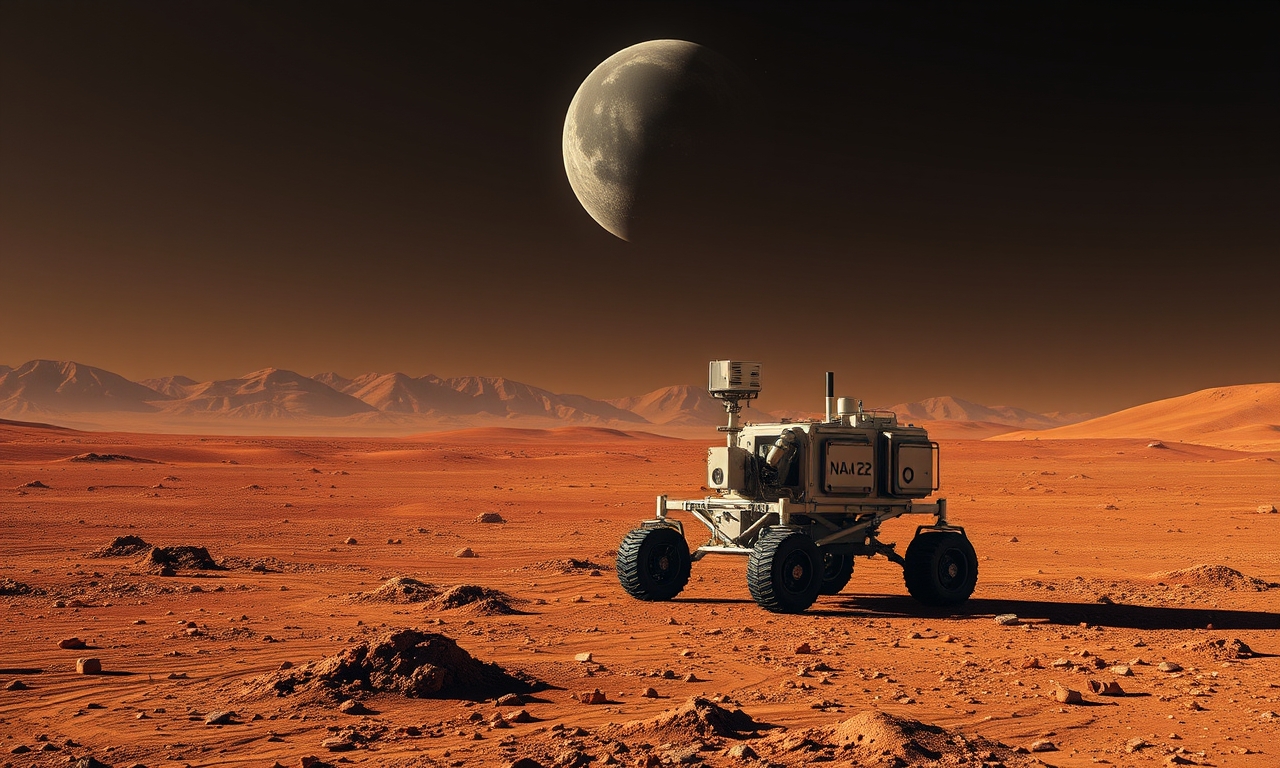
Historic Flight to Earth's Satellite
As part of the United States space agency NASA's Apollo program, a purpose-built descent vehicle was used to place humans on the lunar surface. The craft formed part of a mission that demanded the greatest technical and logistical effort seen in civilian space activity up to that time.
The lander separated from the command module in lunar orbit and touched down with two astronauts aboard, while a third member of the crew remained in orbit. After their stay on the Moon, the upper portion of the vehicle lifted off and rejoined the mother ship.
Significance for Spaceflight
The application of the Apollo lunar lander is regarded as a supreme engineering accomplishment. The design had to withstand extreme conditions including vacuum, thermal variation, and reduced gravity.
- Developed by NASA under the Apollo program
- Carried astronauts from lunar orbit to the surface
- Returned to lunar orbit after surface operations
To this day, the crewed Moon landing using the Apollo lander remains the only mission that has taken humans to the surface of another celestial body. It represents a turning point in the history of space exploration.