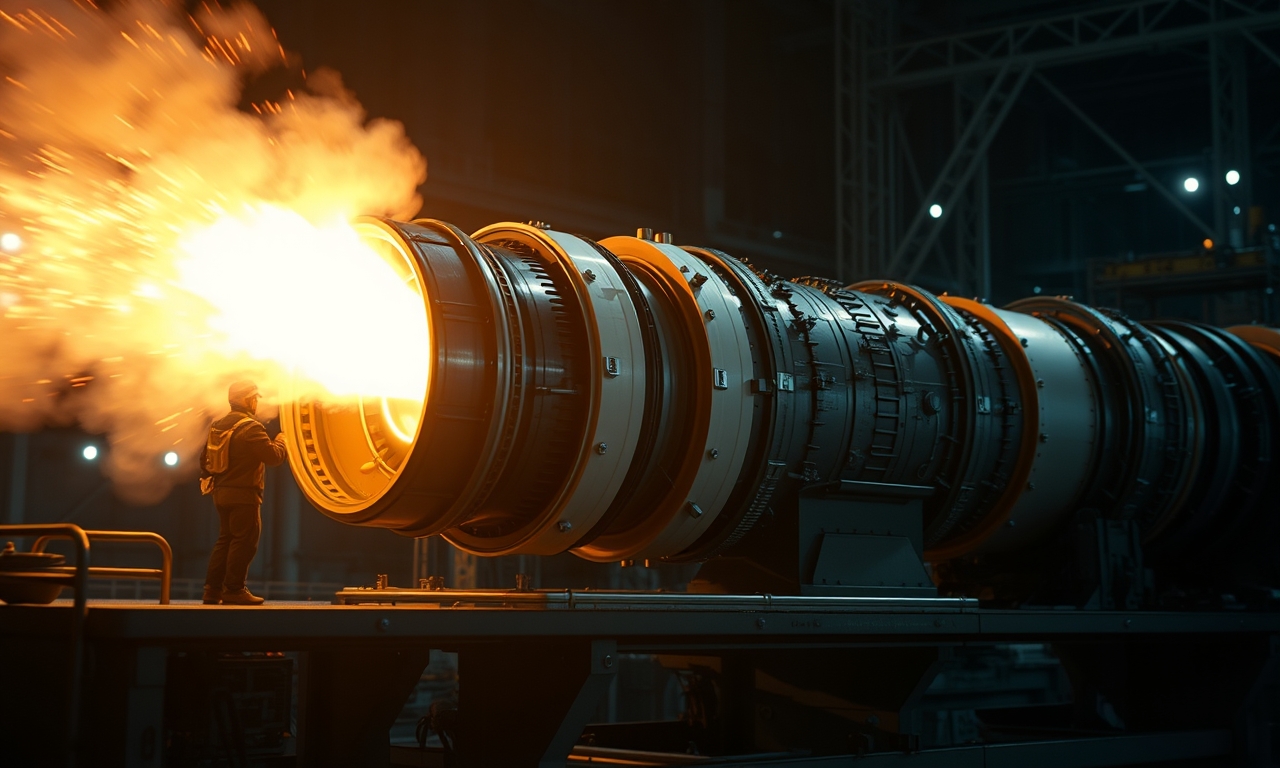
NASA halts Saturn V production in 1968
On August 1, 1968, the United States space agency announced the termination of the Saturn V rocket manufacturing line. The decision came amid growing financial pressures that affected NASA’s budget allocations.
The halt was announced roughly twelve months before the scheduled Apollo 11 mission, which would later achieve the first crewed landing on the Moon. Officials cited the need to redirect limited funds toward other program priorities.
Although the production stoppage marked the end of new Saturn V vehicles, the rockets already built continued to support the remaining Apollo flights. The Saturn V remains recognized as the most powerful launch vehicle ever brought to operational status.
Historians note that the cessation of Saturn V manufacturing signaled a shift in the agency’s approach to large‑scale launch vehicle development during the late 1960s.
Despite the end of fresh production, the legacy of the Saturn V influenced subsequent heavy‑lift rocket designs and remains a reference point for modern super‑heavy launch concepts.
The decision underscores how fiscal constraints can shape the trajectory of ambitious space exploration programs.