A Fresh Look at Earth's Early Conditions
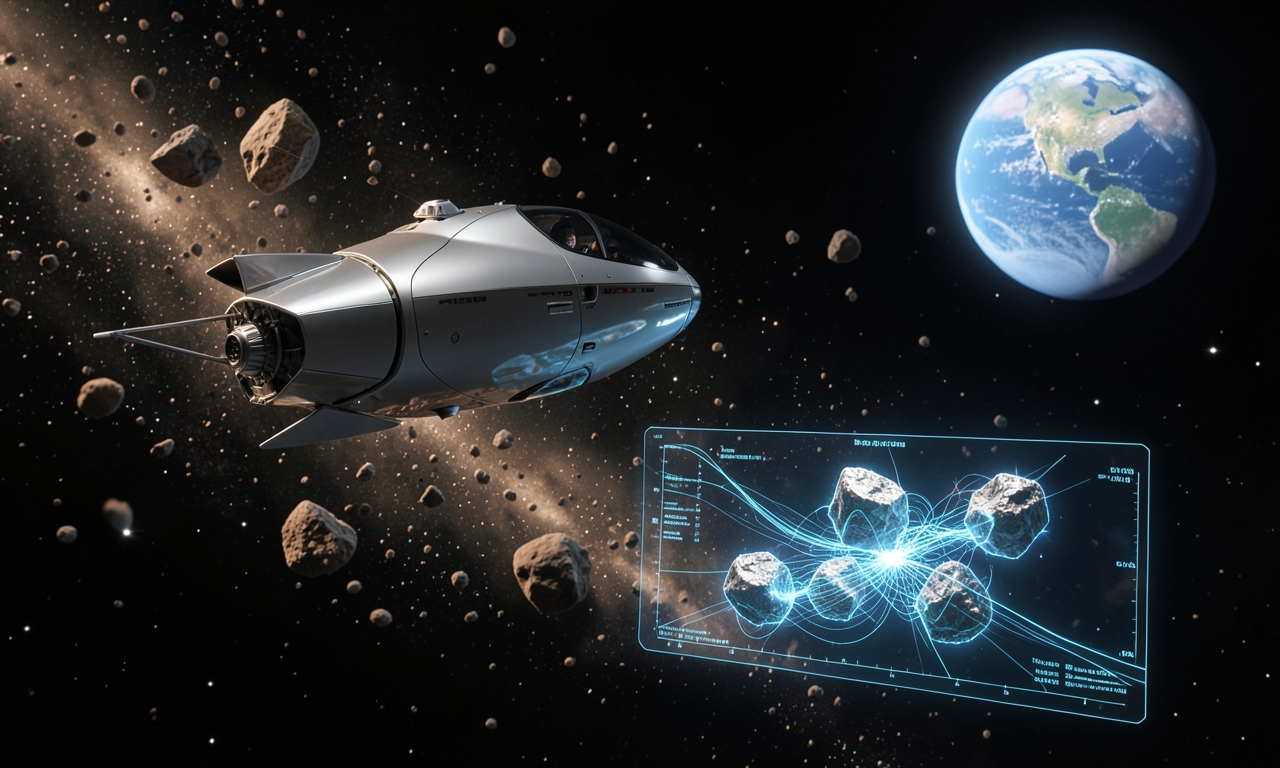
A NASA-supported study provides new insights into how the early Earth may have acquired some of the elements necessary for habitability. The research focused on the phosphorus-to-nitrogen ratio in iron meteorites and younger chondrites found throughout the solar system.
Phosphorus‑Nitrogen Ratio as a Key Indicator
Phosphorus is essential for biological molecules, while nitrogen is a core component of proteins and nucleic acids. By measuring the P/N ratio in meteorites, the researchers could infer the chemical makeup of early Earth. The data suggest that Earth may have received more phosphorus than previously thought.
Jupiter’s Role in Element Distribution
An unexpected outcome of the study is the potential influence of Jupiter on distributing these life‑critical elements. The gas giant’s gravity could have altered the trajectories of meteorites, allowing phosphorus‑rich bodies to reach Earth.
Implications for Life Search
The findings imply that the distribution of phosphorus and nitrogen in the early solar system was more complex than assumed. This could reshape the search for life on other planets and moons by highlighting the importance of massive planets in dispersing essential elements.