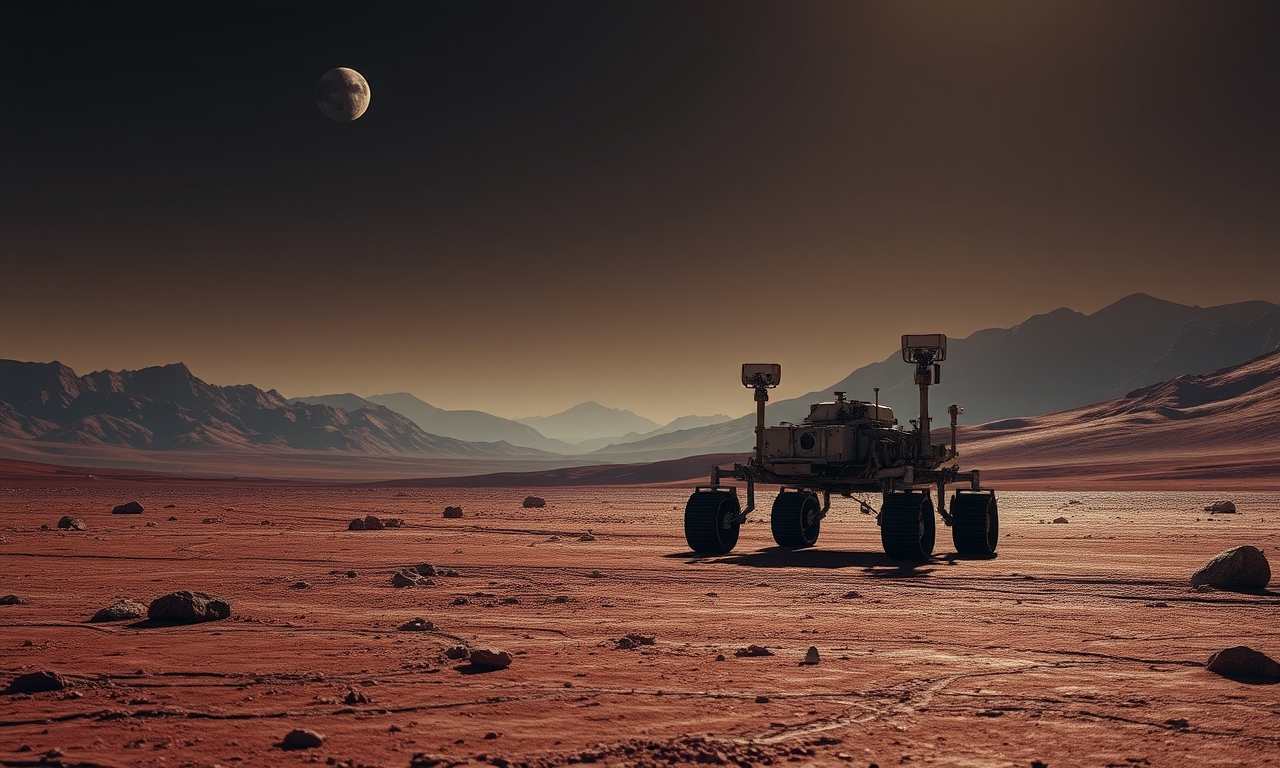
Robotic missions to pave the way for a lunar base
The United States space agency revealed on Tuesday three robotic missions designed to lay groundwork for a permanent habitat on the Moon. The projects focus on resource scouting, surface vehicle testing, and infrastructure demonstrations that could be operational by 2029.
Mission overview
- Lunar Resource Scout: A compact rover tasked with locating water‑ice and oxygen deposits in the polar regions.
- Surface Habitat Testbed: A modular platform to evaluate integration of power and life‑support systems on the lunar surface.
- Mobility Demonstrator: An autonomous vehicle prototype showcasing traversal over uneven terrain.
Challenges and timeline
Technical and budgetary hurdles persist, especially after the recent Artemis‑II launch delay. Nevertheless, the objective of establishing a crewed station by 2029 remains central. The three missions are slated for launch by 2025 and will provide critical data for the final base design.
International cooperation
NASA is collaborating with European, Japanese and Canadian partners on hardware development. Shared standards for power and communications are being established to simplify future module integration.