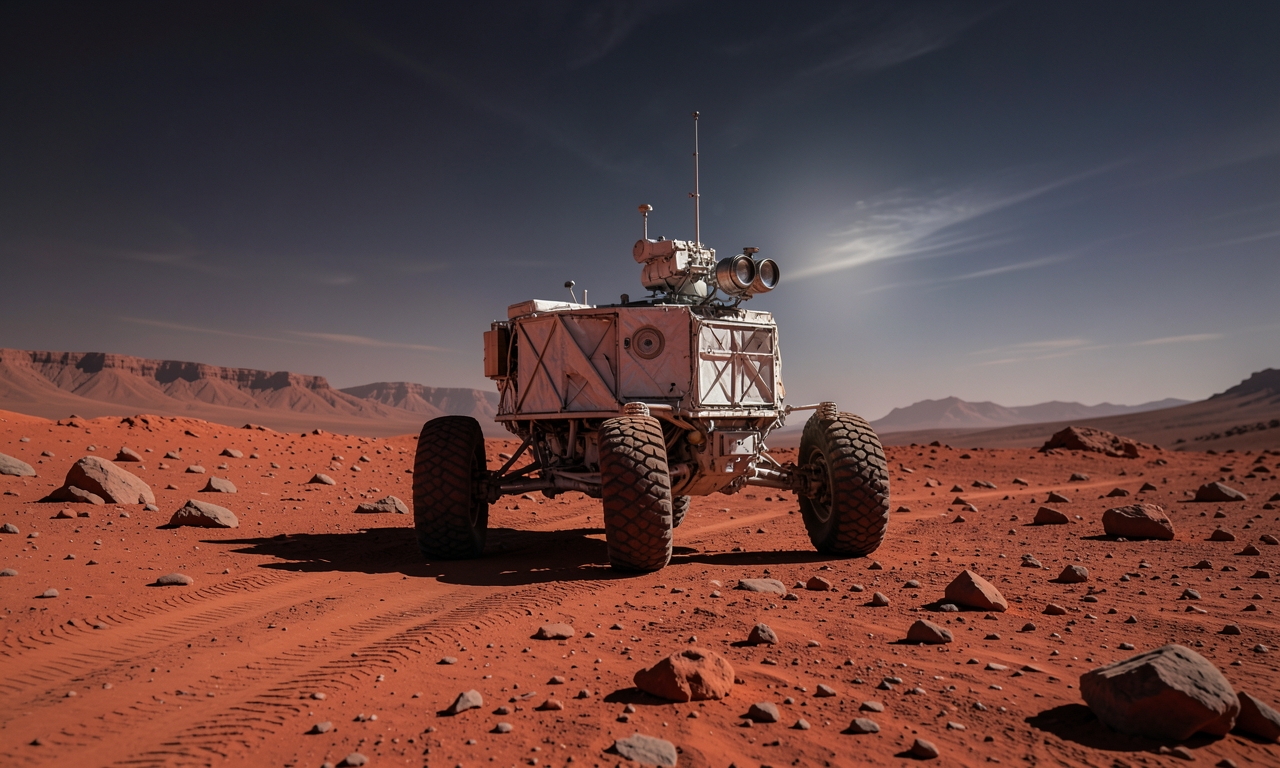
Ancient Rock Exposures at Jezero Crater
NASA's Perseverance rover has examined rock formations along the boundary of Jezero Crater on Mars that date back approximately four billion years. According to researchers, these exposed layers serve as a preserved account of a period when the solar system experienced frequent collisions with cosmic bodies.
The uncovered materials offer insight into the environmental state of the early solar system. Scientists regard the site as a natural archive of past events, akin to a recorded account of the ancient cosmic surroundings. Studying such samples is intended to improve understanding of how planets and their surfaces evolved.
- Age of rocks: about 4 billion years
- Location: rim of Jezero Crater on Mars
- Significance: evidence of impacts during a dynamic solar system era
The rover's work focuses on how the stone has been altered over time and what conclusions can be drawn about early bombardment by celestial objects. These findings are important for testing models of the Mars and broader planetary early history.
Additional measurements and sample collection at the crater edge are planned to extend current observations. The gathered information is being analyzed by research teams to build a more detailed picture of the geological and cosmic processes that shaped the region billions of years ago.