Launch Details
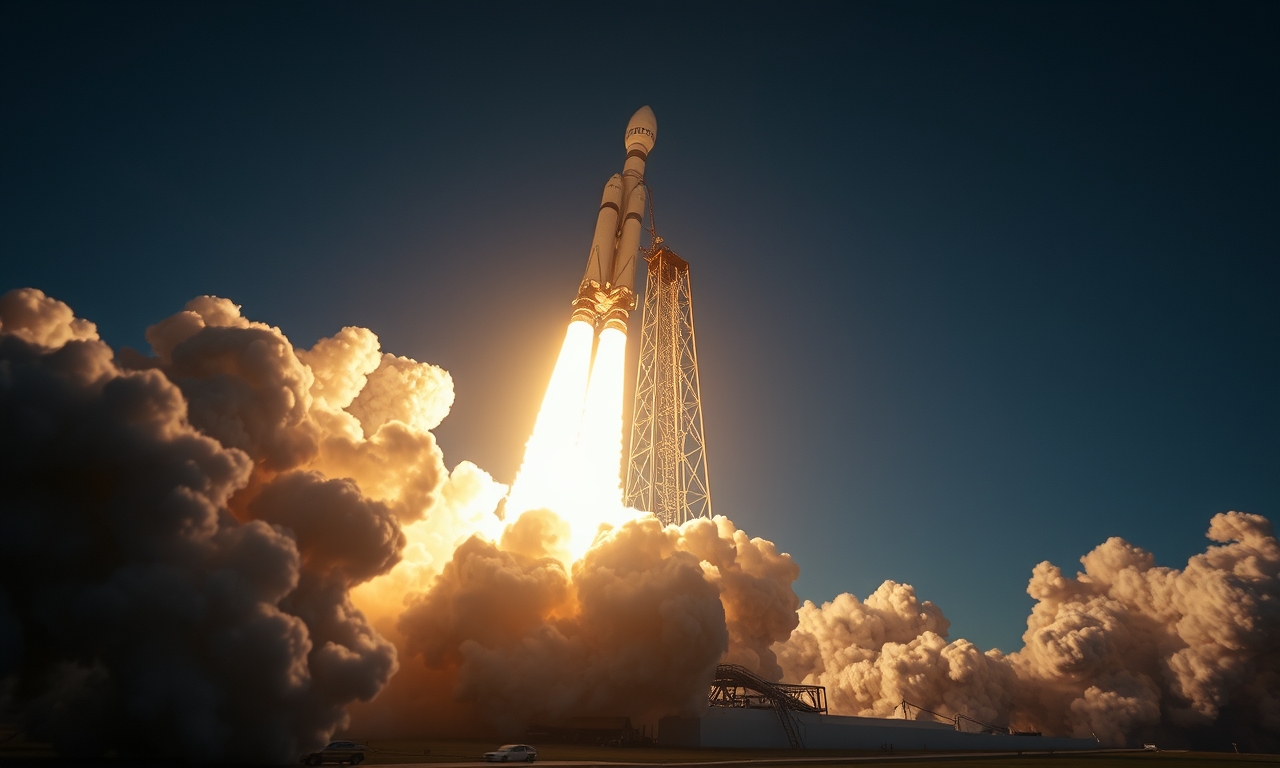
The Mission Robotic Vehicle (MRV) lifted off on July 21 from Cape Canaveral aboard a SpaceX Falcon 9 rocket. On board is the payload of the NASA‑supported Robotic Servicing of Geosynchronous Satellites (RSGS) project.
Journey to Geostationary Orbit
After launch, MRV is en route to a geosynchronous Earth orbit. There it will deploy the RSGS payload to inspect, repair, or upgrade spacecraft using advanced robotic systems.
Technological Basis
RSGS leverages decades of NASA expertise in space robotics, combining high‑precision grippers, sensors, and autonomous control algorithms to perform complex maneuvers in orbit.
Outlook and Significance
A successful demonstration could extend the lifetimes of many satellites and reduce the need for costly replacement launches. Experts view such missions as a key step toward a more sustainable use of near‑Earth space infrastructure.