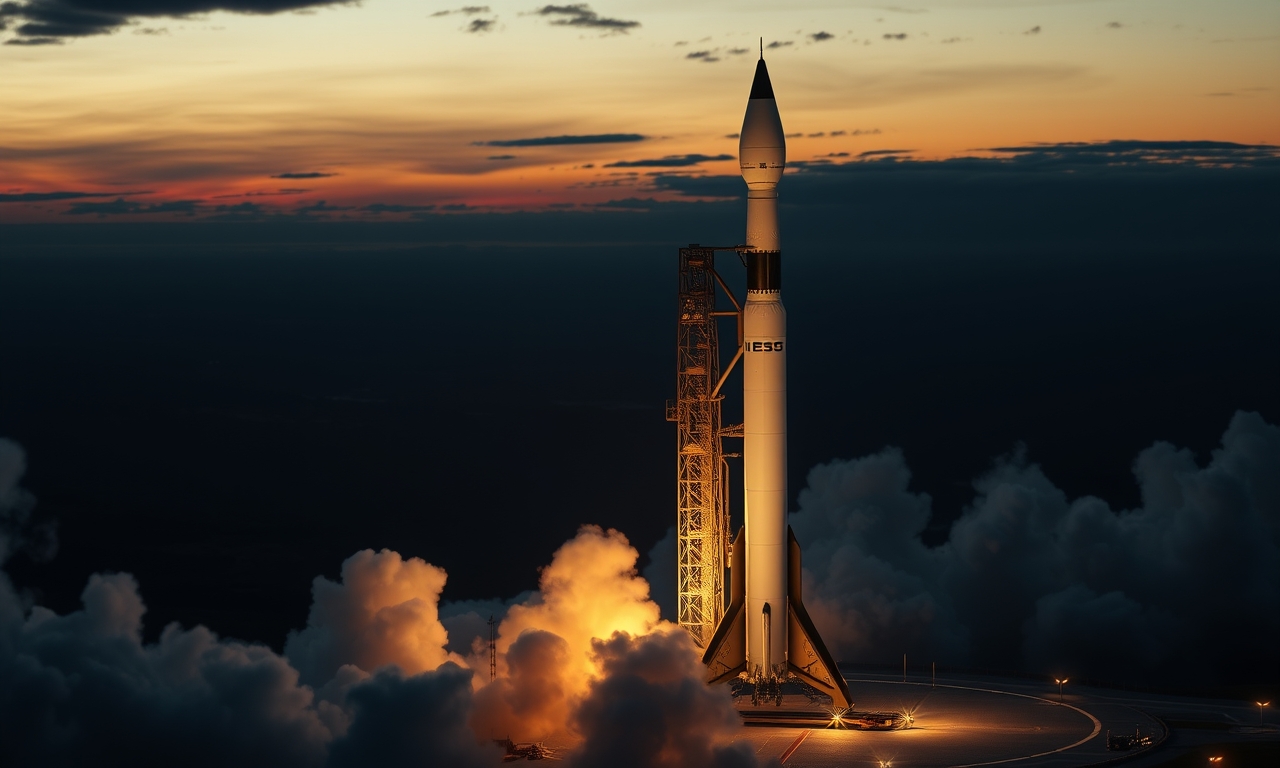
First static fire of Ship 40
SpaceX moved the vehicle Ship 40 to its test site to conduct a static fire using a single Raptor engine. The purpose of the test was to verify fuel system performance and overall vehicle integration before additional engines are installed.
Outcome of the single‑engine test
The engine performed as expected, reaching the planned thrust levels and delivering telemetry data within nominal ranges. After the burn, the vehicle was returned to the hangar for preparation of subsequent test phases.
Current work on Booster 20
At the same time, crews began work on Starship Booster 20. The booster was transferred from the assembly line to a test stand where further system checks and a potential second static fire are scheduled.
Updates at Launch Pad 2
Launch Pad 2 has seen infrastructure upgrades in recent days, including the installation of additional power cabling and reinforcement of the fueling infrastructure. These improvements aim to reduce turnaround time for upcoming launches.
Looking ahead
SpaceX intends to carry out additional static fires with both Ship 40 and Booster 20 in the coming weeks to certify readiness for the next series of Star‑Starship missions.