Soyuz MS-28 undocked from the International Space Station on [date], beginning the return journey of its crew to Earth. The spacecraft had previously delivered three cosmonauts and cargo to the Russian segment of the station.
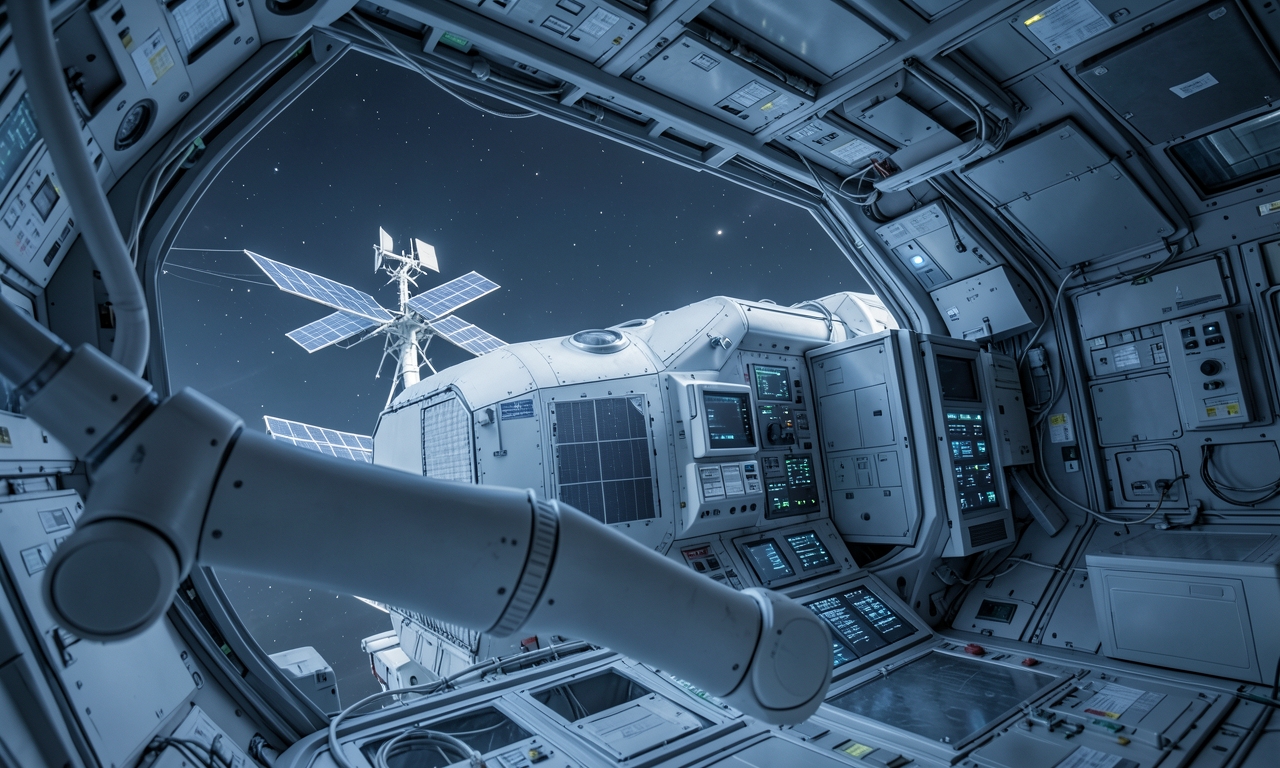
In the days following the undocking, the remaining ISS crew performed three scheduled extravehicular activities (EVAs). During these spacewalks, astronauts replaced older solar array components with more efficient units and installed new antennas to improve power generation and communications.
- First EVA: Swapped out legacy solar cells for higher‑efficiency models.
- Second EVA: Installed upgraded antennas for the Kurs navigation and communication system.
- Third EVA: Verified the performance of the newly installed hardware and made fine‑adjustments to array alignment.
Each spacewalk lasted approximately six to seven hours and was carried out by members of Expedition [X]. After completion, both Roscosmos mission control in Moscow and NASA’s Houston center confirmed that all objectives had been met successfully.
The upgrades are intended to extend the operational life of the ISS, support ongoing scientific research, and aid preparations for future crewed missions to the Moon and Mars.