A film released at the wrong moment
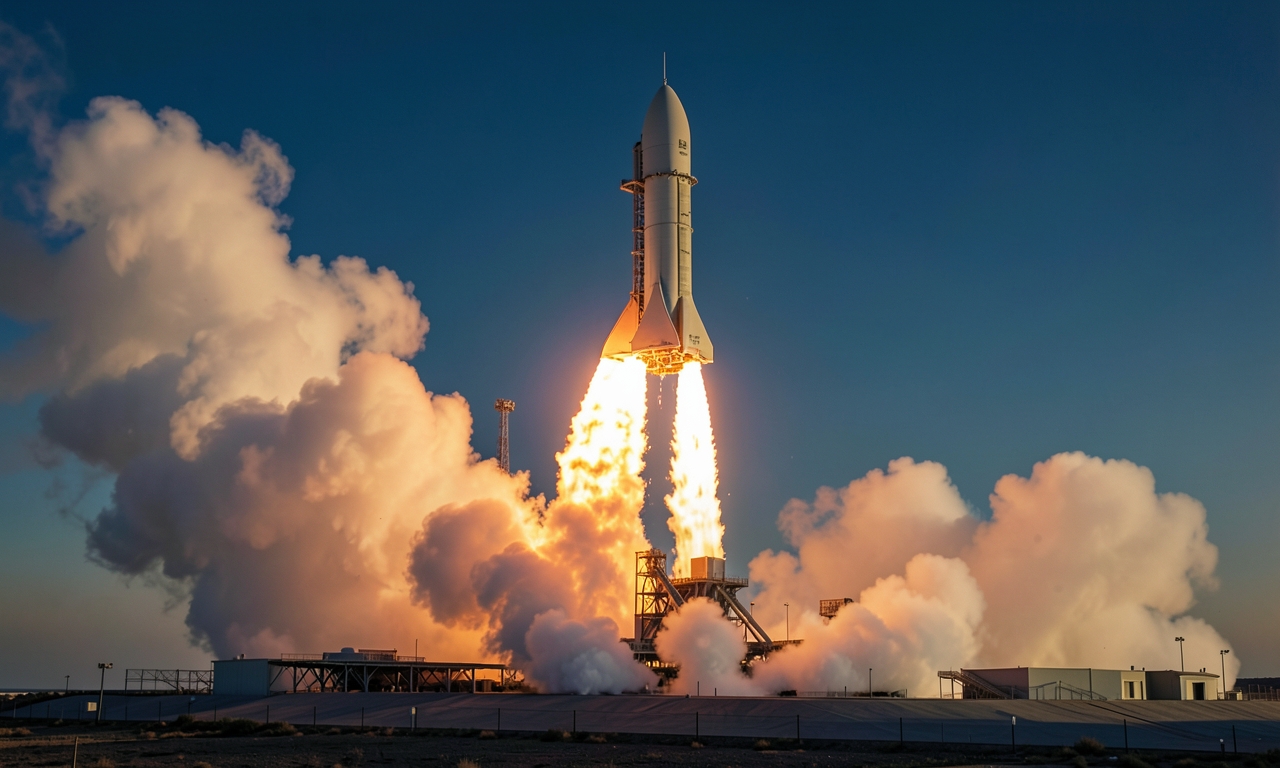
"SpaceCamp" premiered in 1986, depicting five teenagers who are inadvertently launched into orbit from a training facility. Only weeks later, the Challenger disaster claimed the lives of seven astronauts, plunging the world into mourning and sparking criticism of the space program. In that climate, a light‑hearted adventure about youthful space travel struggled to find an audience.
Public sentiment after the accident
The tragedy caused a sharp decline in public enthusiasm for space initiatives. Many parents viewed the film as tone‑deaf, fearing it would exploit the grief of the Challenger families. Consequently, cinemas and broadcasters pulled the movie, and its promotional campaign was halted.
Long‑term impact on the genre
Although "SpaceCamp" failed commercially, the idea of space‑adventure stories for young audiences persisted. Later series such as "Star Trek: The Next Generation" and recent productions adopted similar premises but emphasized scientific realism and paid tribute to the sacrifices of real astronauts.
Four decades later: reflection and reassessment
Marking the film’s 40th anniversary, scholars and critics revisit its legacy. They note that "SpaceCamp" was a product of its era, and the Challenger accident permanently altered how spaceflight is portrayed in popular culture. Today the movie is seen more as a cultural artifact that illustrates the tension between childlike imagination and the stark realities of space exploration.
Looking forward
The memory of Challenger serves as a reminder that entertainment projects must handle real‑world tragedies with care. As new space‑themed movies emerge, creators are increasingly attentive to historical context and ethical considerations.