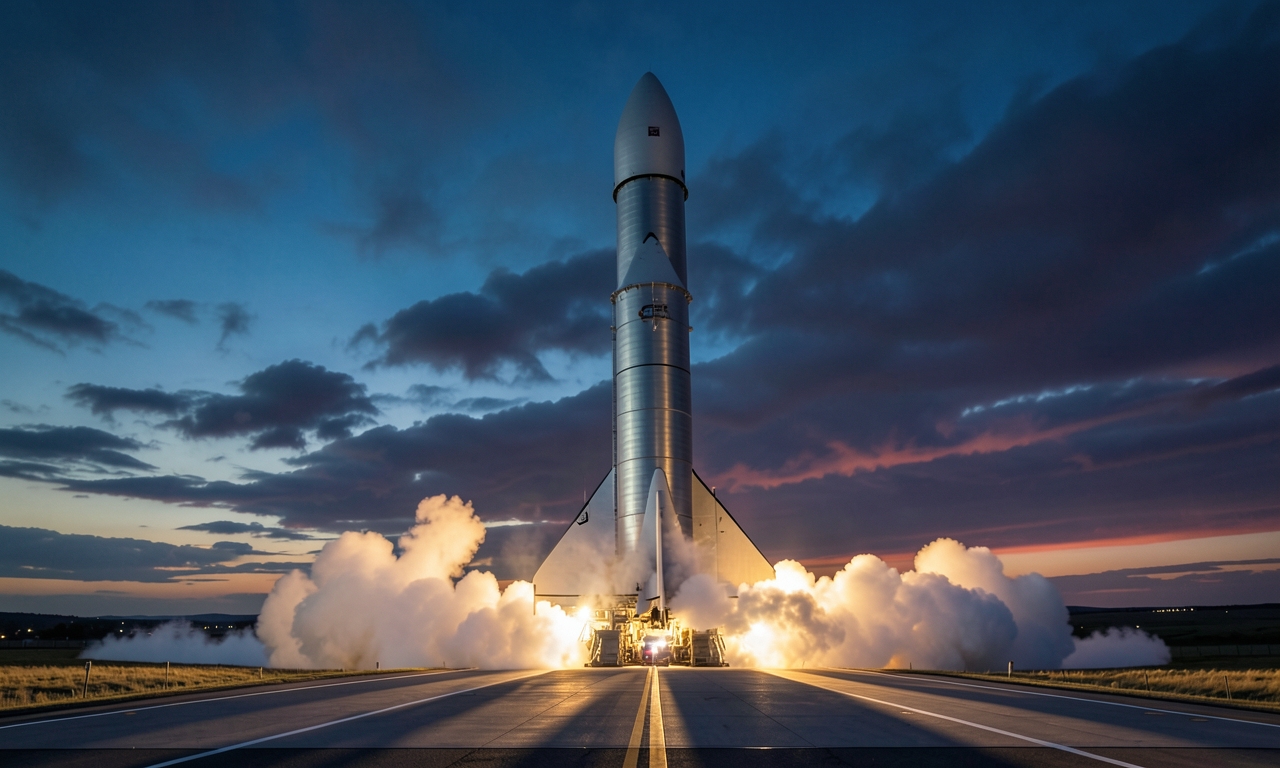
Launch overview
On the evening of July 10, SpaceX launched a Falcon 9 rocket from its Florida launch complex. This flight marked the 35th use of the same launch vehicle, which has been repeatedly refurbished since its inaugural flight in 2010.
Mission payload
The mission carried 29 Starlink satellites, part of SpaceX’s broadband constellation intended to provide global internet coverage. All satellites were placed into low‑Earth orbit, where they will be distributed across several orbital shells to ensure worldwide service.
Technical details
The Falcon 9 employed its first and second stages as usual, with the first stage successfully returning to Earth and landing on an autonomous drone ship in the Atlantic Ocean. Reusing the booster helps lower launch costs and supports more sustainable space operations.
Impact on the Starlink network
Each additional satellite expands the capacity and redundancy of the Starlink constellation. This launch further increases the total number of operational Starlink satellites, enhancing the robustness of the global internet service.
Future launches
SpaceX has a schedule of additional launches planned for the remainder of the year, aiming to reach a constellation size of several thousand satellites. Continued reliance on reusable launch vehicles remains a cornerstone of the company’s strategy.