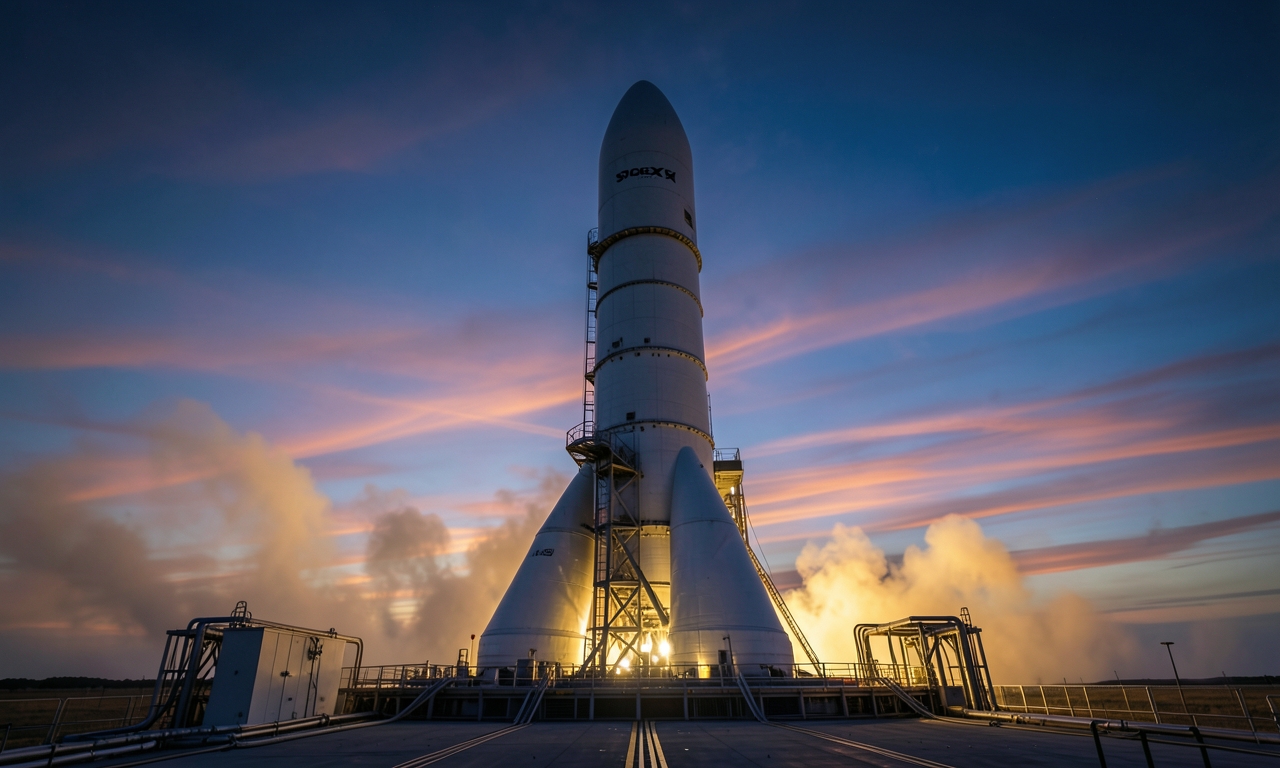
A New Milestone for SpaceX
By offering shares to the public, SpaceX has taken a significant step that goes beyond simple fundraising. While media coverage often highlighted the company's valuation, its rockets and its founder, the deeper story lies in the long‑term messages the IPO sends to the space sector.
Strategic Implications
The listing provides access to additional capital without relying solely on private investors. This liquidity can be directed toward further development of reusable launch vehicles, expansion of the Starlink network, and preparation for lunar and Martian missions. Public market participation also brings heightened expectations for transparent reporting and clear articulation of corporate goals.
Impact on Competitive Landscape
A publicly traded SpaceX may reshape competition in the commercial launch market. Established providers and emerging startups will now face a better‑capitalized rival with substantial economies of scale. This could spur more partnerships but also intensify price competition.
Regulatory and Geopolitical Dimensions
Opening the company to public investors draws increased regulatory scrutiny. Authorities will examine compliance with export controls, safety standards and space law more closely. Geopolitically, a stronger SpaceX reinforces the United States' position in the space race, particularly regarding planned lunar bases and long‑term Mars settlement ambitions.
Outlook
The IPO is not an end point but a catalyst for SpaceX's next development phases. Observers anticipate continued technological refinement, entry into new markets, and a profound influence on the dynamics of the global space industry.