A unique perspective on the longest day
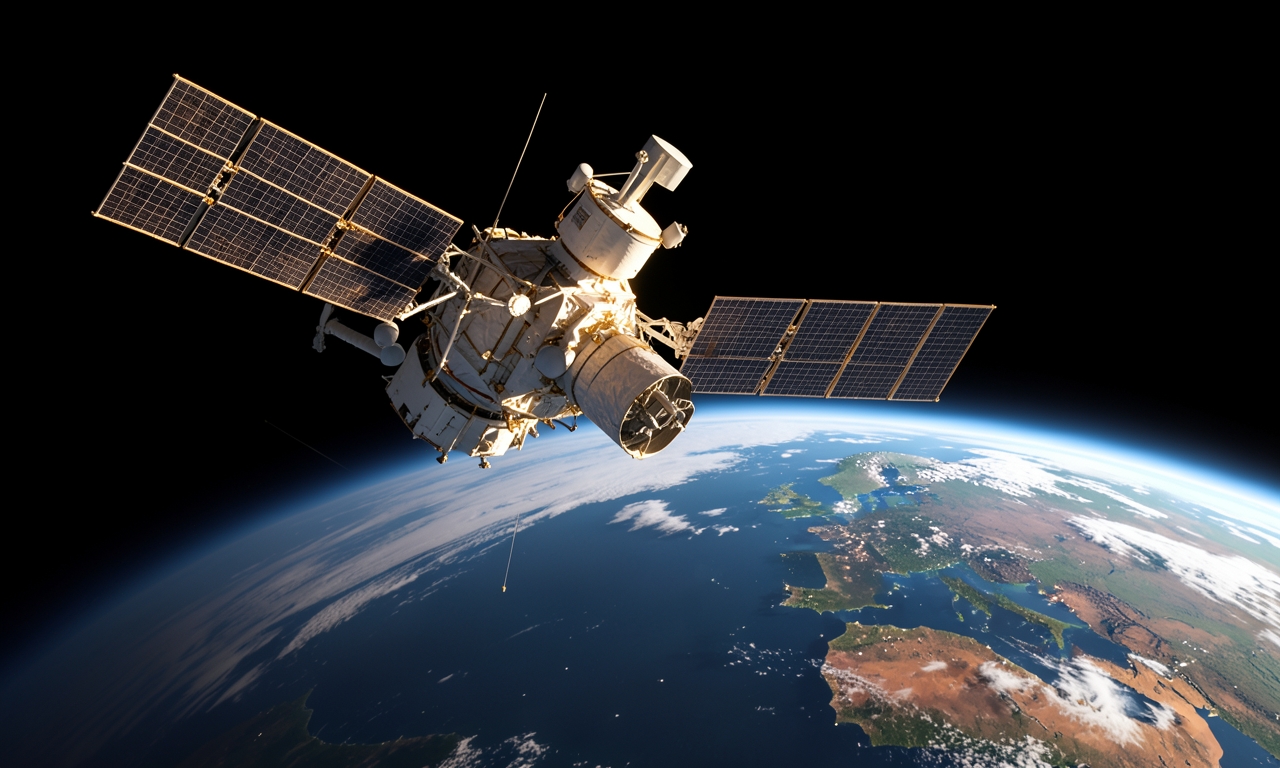
On June 21, 2026 Earth reached the astronomical turning point of the year – the summer solstice. Within hours, a European weather satellite managed to photograph the event from its geostationary orbit. The image shows the planet bathed in a bright, almost white glow generated by the Sun positioned directly over the equator.
Technical background of the image
The picture was taken by a geostationary meteorological satellite operated by the European Space Agency (ESA). Equipped with high‑resolution optical sensors designed for routine weather monitoring, the satellite can also record astronomical phenomena when conditions align. The capture occurred at the moment when the Sun attained its highest declination over the equator, a fleeting interval that happens only once a year.
Scientific and public relevance
While the solstice is a well‑understood event, an orbital view provides fresh insight. It illustrates the global distribution of solar illumination and supplies data that can refine atmospheric models. For the general public, the photograph offers a striking visual representation of the seasonal transition and highlights the importance of satellite observations for Earth science.
Future observations
ESA intends to cross‑reference the image with data from other space‑borne instruments to investigate any climatic anomalies associated with the solstice period. The photo will also be incorporated into educational outreach programs aimed at raising awareness of the Earth‑Sun relationship.