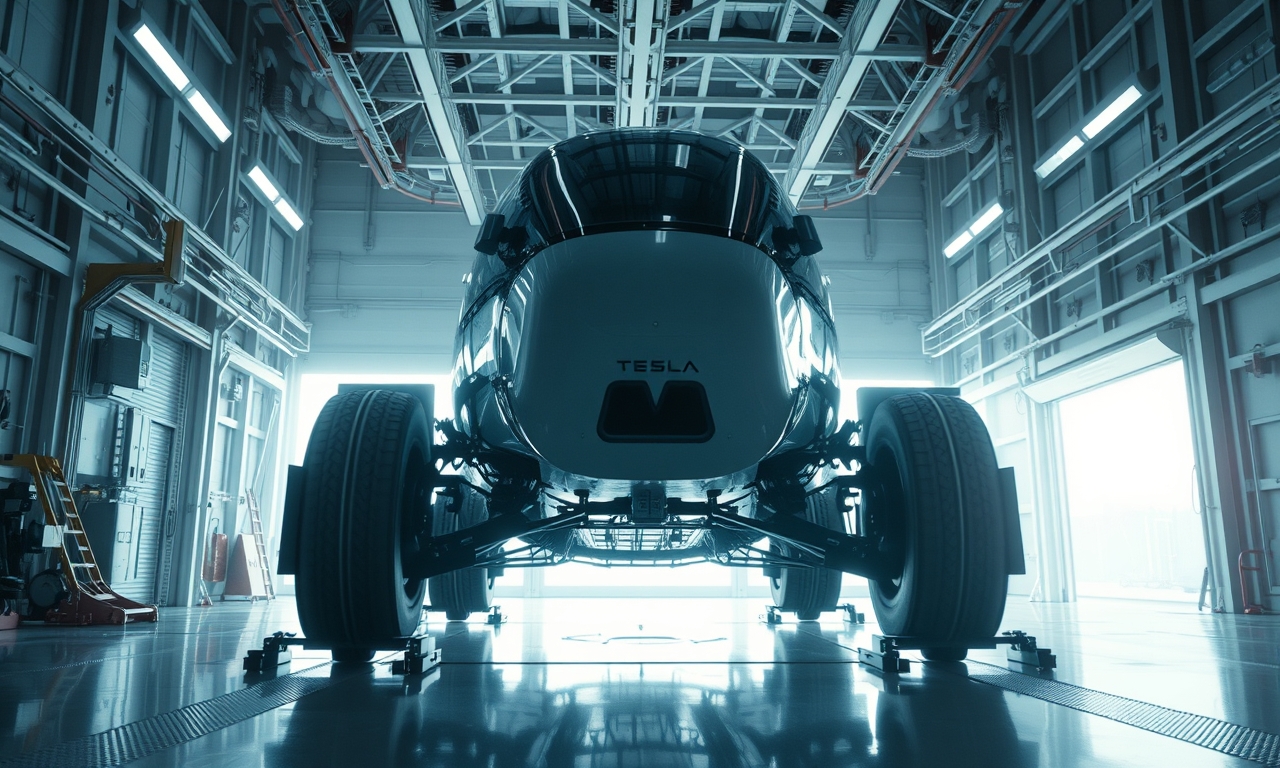
Regulatory overhaul by NHTSA
The U.S. Department of Transportation has launched a rulemaking process to amend the Federal Motor Vehicle Safety Standards (FMVSS). The proposed amendment would eliminate the current mandate that every vehicle be equipped with a manual brake pedal, paving the way for fully autonomous operation.
Implications for Tesla's Cybercab
Tesla’s Cybercab concept is designed to function without driver input. Removing the brake‑pedal requirement could simplify the vehicle architecture, lower production costs, and reduce regulatory barriers to market entry.
Industry response
Several automakers have welcomed the prospective rule changes, citing faster development of Level‑5 autonomous vehicles. Safety advocates, however, caution that without standardized testing and certification protocols, risks may remain.
Next steps
The National Highway Traffic Safety Administration (NHTSA) has opened a public comment period that will run through the end of the year. Stakeholders, consumer groups, and experts are invited to submit their views. A final rule is expected to be published next year.