New hardware under scrutiny
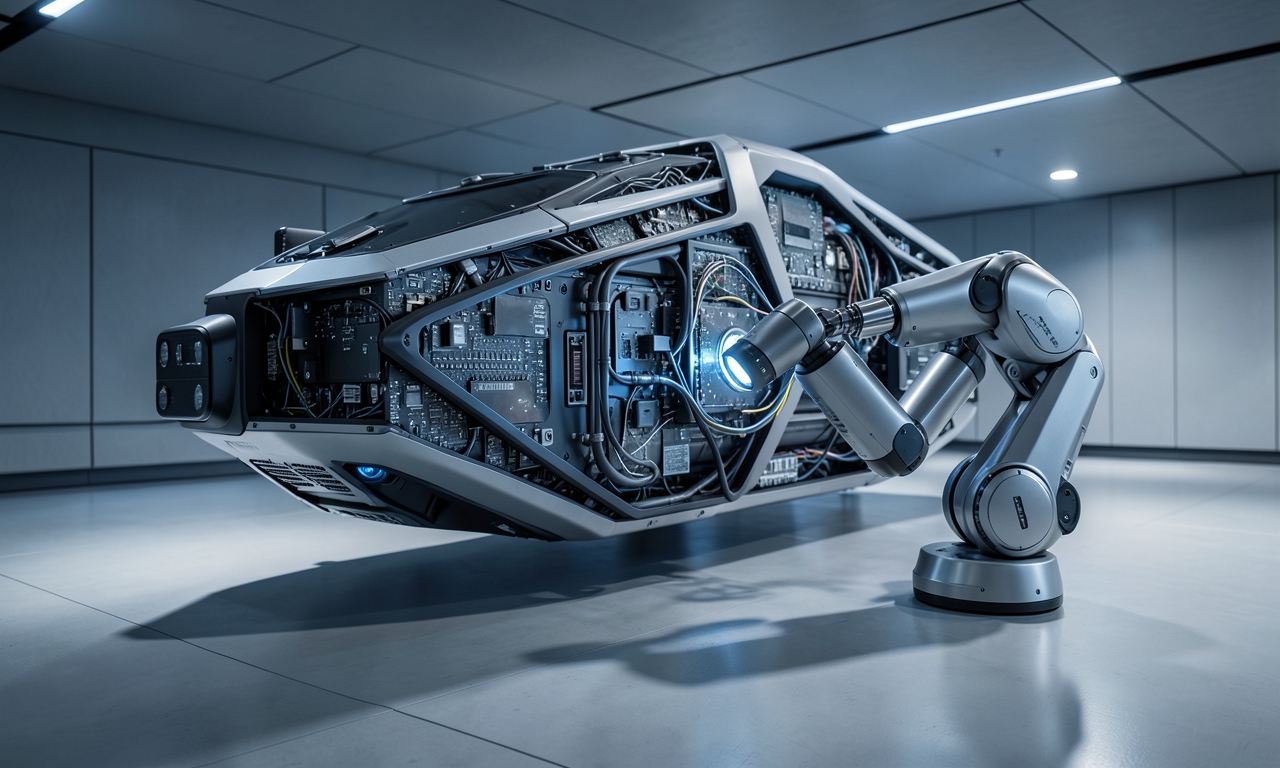
A close‑up photograph of Tesla's Cybercab engineering prototype reveals a compact, triangular side‑mounted camera housing equipped with an integrated washer system.
Implications for Full Self‑Driving
Despite its modest size, the component may play a pivotal role in delivering reliable Full Self‑Driving (FSD). Clean camera lenses are essential for accurate object detection, especially under adverse weather conditions.
Technical characteristics
The side repeater is shaped as a triangle to provide a wide field of view while reducing aerodynamic drag. Its washer employs a micro‑electromechanical pump that activates in real time to clear debris.
Relevance to robotaxi plans
The Cybercab serves as a test platform for Tesla's upcoming robotaxi fleet. The enhanced camera system could improve safety margins and help meet regulatory requirements for autonomous operation.
Next steps
Tesla is currently evaluating the hardware in Peabody, Massachusetts, and aims to incorporate the design into future production models once performance is validated.