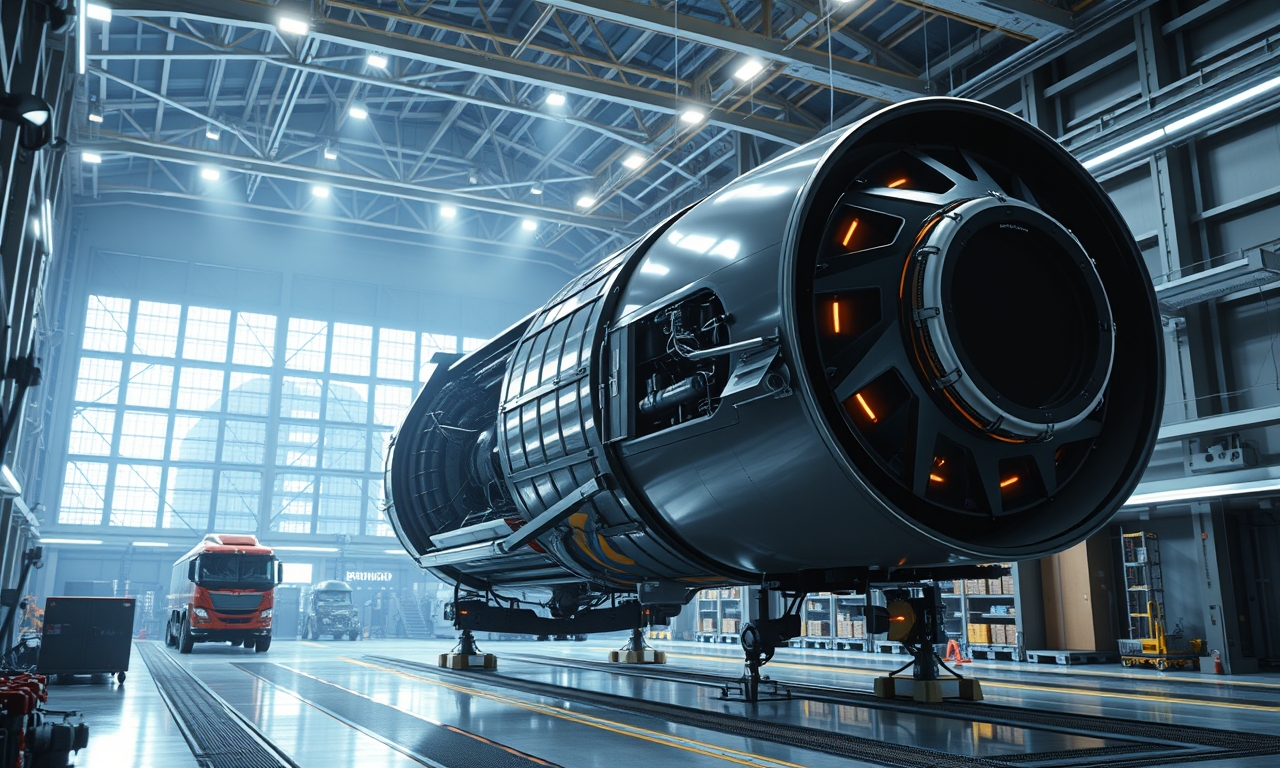
Higher Recycling Rates at Tesla
During the 2023/2024 reporting period, electric‑vehicle maker Tesla reported a roughly 20 % rise in the volume of battery materials recovered from end‑of‑life packs. The company has significantly expanded its effort to retrieve valuable resources such as lithium, nickel and cobalt.
Scope and Processes
By scaling up recycling facilities in the United States and Europe, Tesla reclaimed over 1.2 million kilograms of critical metals. Collected batteries are disassembled, cells are broken down, and the extracted metals are processed in closed‑loop systems.
Environmental Significance
The increased material recovery lessens the demand for newly mined resources, thereby reducing the overall carbon footprint of vehicle production. Analysts note that a robust battery circularity model is essential for sustainable electrification.
Future Plans
Tesla intends to further expand its recycling capacity and forge new partnerships with raw‑material suppliers. The company aims to achieve a recycling share of more than 30 % by 2027 and to enable the reuse of battery cells in upcoming vehicle generations.