Project objectives and timeline
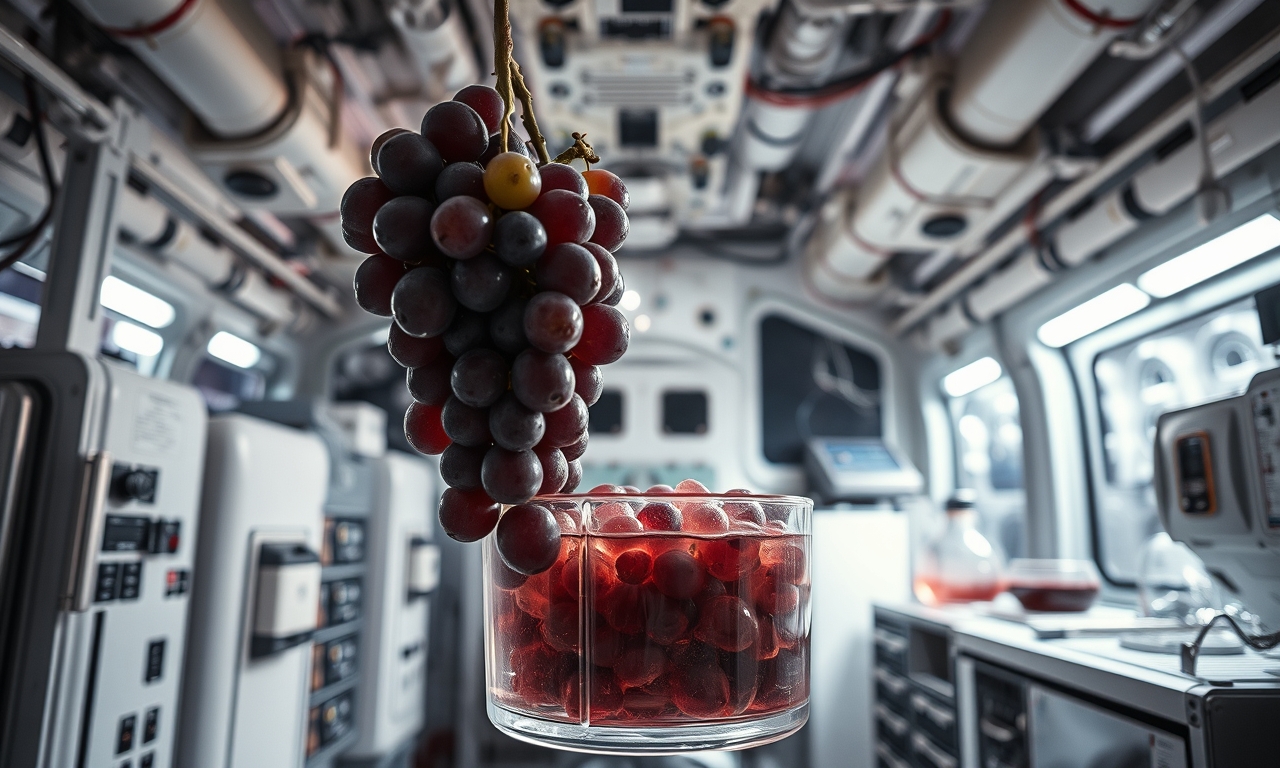
Researchers from Texas A&M AgriLife are preparing to launch several hundred wine‑grape seeds into orbit. The seeds will remain on the International Space Station (ISS) for roughly half a year, where they will be exposed to the space environment before being returned to Earth for planting and analysis.
Scientific aims
The experiment seeks to determine how prolonged exposure to cosmic radiation influences germination rates, genetic expression and metabolic pathways in Vitis vinifera. Potential radiation‑induced mutations could affect flavor profiles, disease resistance and overall plant resilience.
Prospects for a space‑grown wine
If the seeds retain viability after their orbital stay, the project could yield the first wine produced from grapes that have traveled through space. Such a product would not only be a novelty but also provide insights into sustainable food production for long‑duration missions.
Logistics and partnerships
The seeds are sealed in radiation‑shielded containers and will be placed in a dedicated research module aboard the ISS. The mission is coordinated with NASA and commercial launch providers that facilitate the transport of the samples to and from orbit.
Future steps
Upon return, the seeds will undergo a comprehensive testing regime, including molecular analyses and field trials. Findings are expected to inform strategies for cultivating crops in extraterrestrial habitats and support the development of space agriculture.