Total Solar Eclipse Captivates Skywatchers
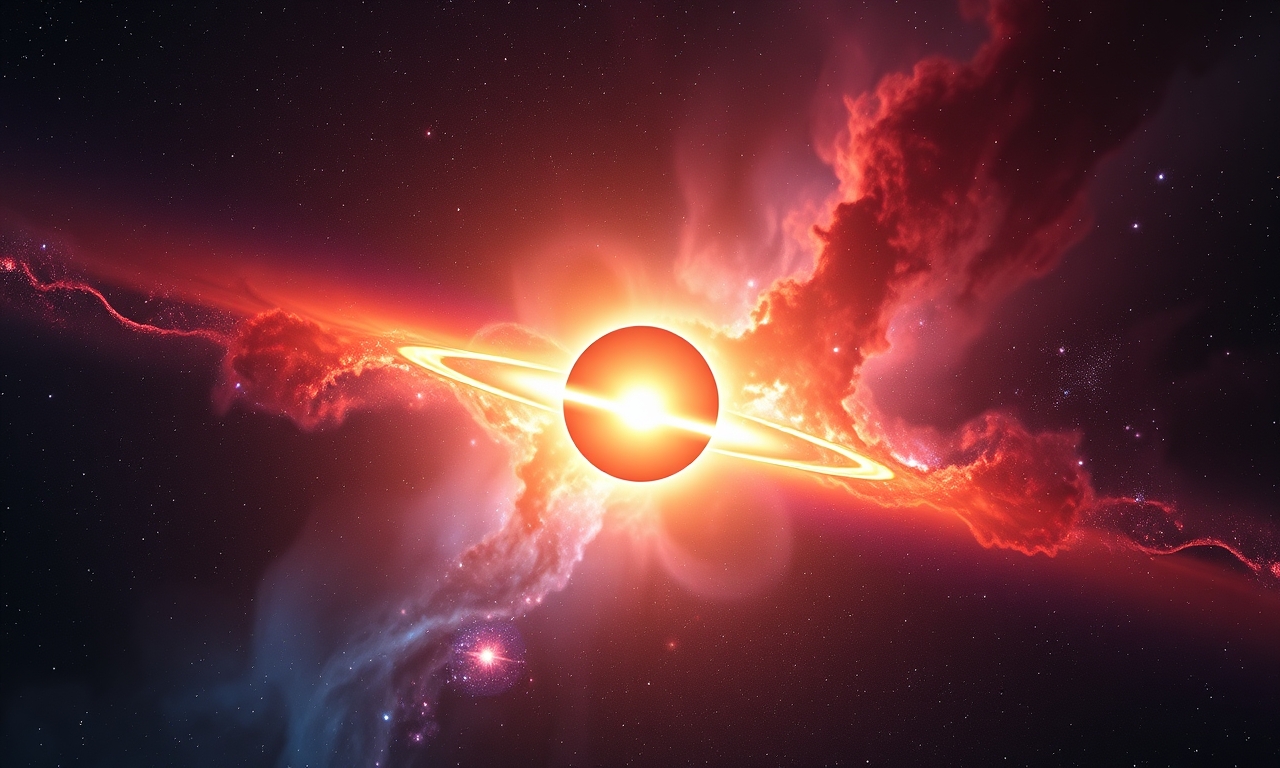
On August 12, 2026 a total solar eclipse swept across parts of Earth, drawing the attention of countless sky enthusiasts. Moments before the Moon completely covered the Sun, a photographer captured an image that freezes the instant just prior to totality.
The photo displays the distinctive crescent of the still‑visible solar surface, encircled by a diffuse halo of light that heralds the impending darkness. The contrast between the bright rim and the dark lunar silhouette conveys the dramatic tension of the moment.
Such events give scientists a chance to study the solar corona, while the public enjoys a rare opportunity to witness the celestial phenomenon firsthand. Many observers reported a profound impression and a renewed appreciation for the mechanics of our solar system.
Experts warned that viewing a solar eclipse without proper eye protection can cause serious eye injury. Certified solar filters or welding glasses of the correct shade are essential, and indirect methods such as pinhole cameras offer a safe alternative.
The next total solar eclipse visible from central Europe will not occur until 2028, again sparking interest among amateur astronomers and professionals. Until then, images like the one from August 12 serve as valuable reference points for planning future observations.