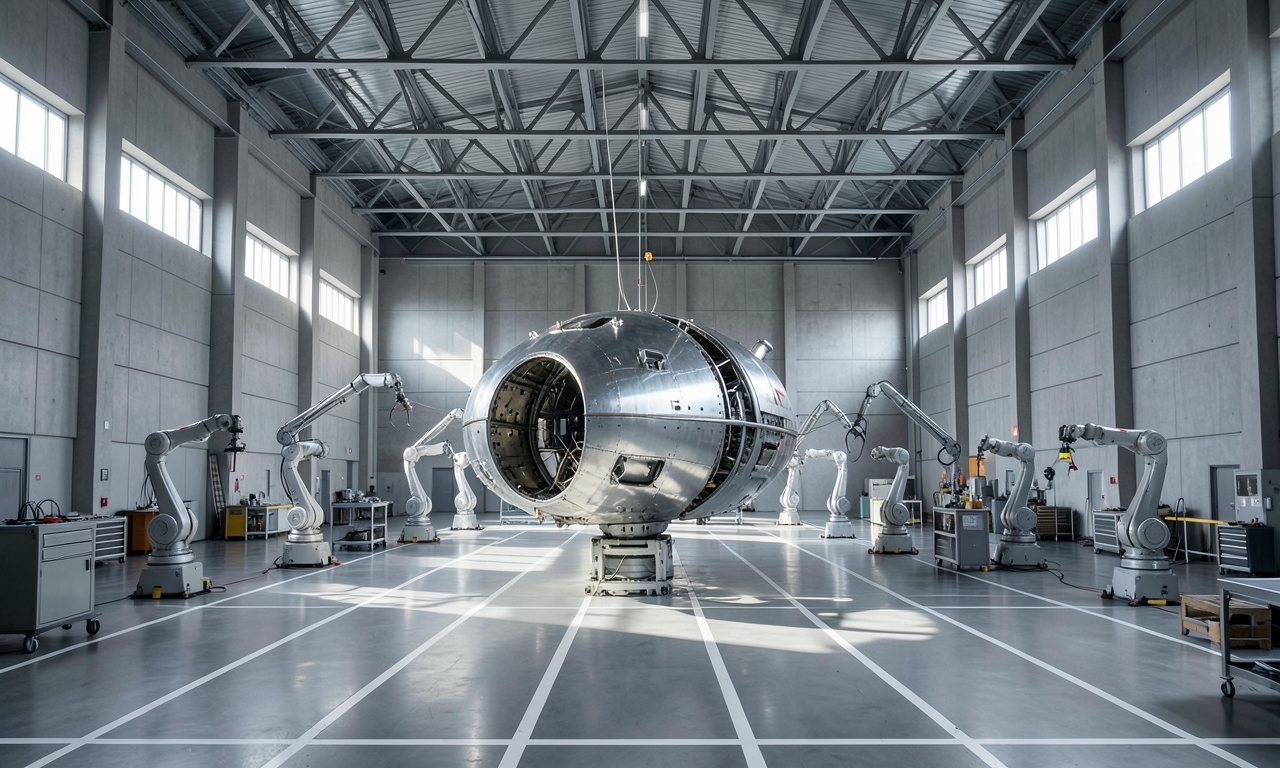
In recent policy discussions, the Golden Dome is presented as an initiative that calls for a fundamental adjustment of national production capabilities. Proponents contend that without corresponding industrial changes, the initiative's objectives cannot be met.
Historically, the United States benefited from its position between two vast oceans, which largely deterred foreign armies from attempting an invasion before the advent of modern military technologies. This geographic barrier contributed to long-term strategic security.
Nevertheless, analysts point out that today's security environment presents different challenges that cannot be mitigated solely by distance. Consequently, a stronger domestic production capacity is seen as necessary.
A revitalized industrial base would, according to the piece, involve modernizing manufacturing facilities, securing resilient supply chains, and upskilling the workforce. Such steps aim to ensure that required systems can be produced promptly and reliably.
The authors conclude that policymakers should take these industrial considerations into account when further planning the Golden Dome, thereby addressing both technological and logistical prerequisites.