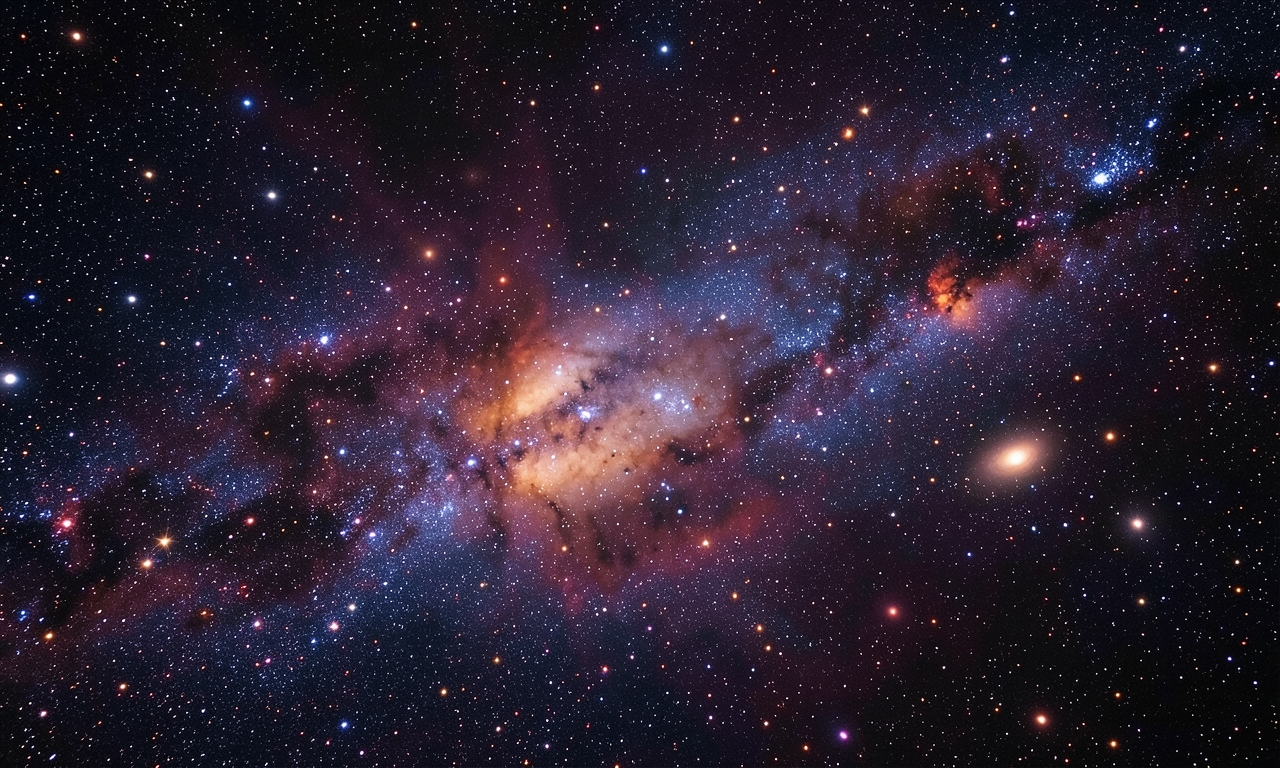
An international team of researchers employed the MeerKAT radio telescope in South Africa to capture faint emissions from neutral hydrogen originating from a period when the universe was considerably younger than it is today.
Methodology and observations
The scientists pointed the telescope at a selected sky region and collected data over many hours. Applying specialised filtering techniques, they isolated the distinctive 21‑centimetre line of hydrogen from the background noise.
Implications for cosmology
The detected signals provide information about the density and distribution of matter in the early cosmos. They assist in refining models of galaxy formation and the large‑scale structure of the universe.
Further observations are planned to confirm the findings and extend the reach of the measurements.