Highlights of the Week
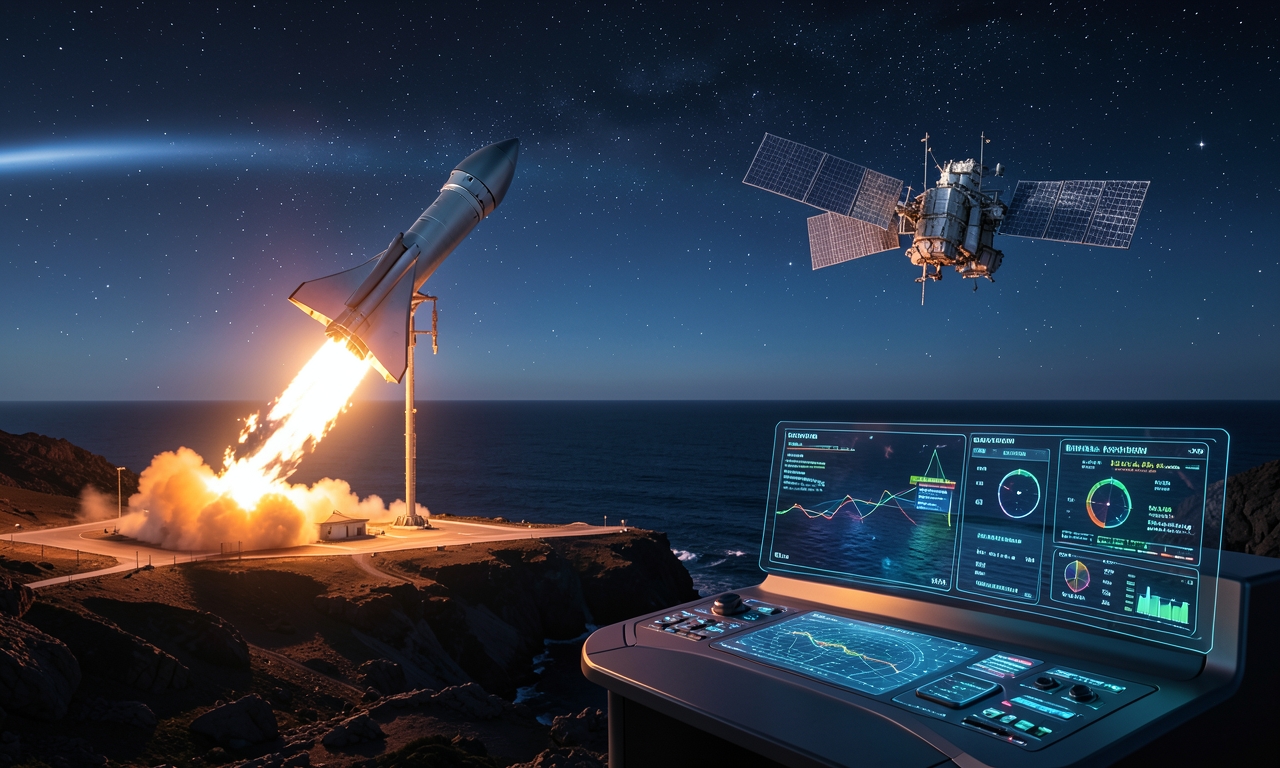
On June 8, a significant communications satellite was launched into a geostationary orbit. In the following days, several scientific measurements were carried out aboard the International Space Station, providing new insights into radiation exposure near Earth. June 10 saw a test flight of a new launch vehicle prototype intended for future lunar missions. On June 12, a spectacular solar eclipse was observed and documented by space agencies worldwide.
Technological Advances
The satellite launch demonstrated the reliability of new propulsion systems, while the launch vehicle test showcased the structural resilience under extreme conditions. Both events are steps toward more efficient and safer spaceflight. The eclipse observation also offered an opportunity to refine instrument calibration on telescopes.
Looking Ahead
Upcoming weeks will see further missions, including a satellite replacement in Earth orbit and a microgravity experiment. The data collected will support the planning of future interplanetary endeavors.