Urban development since 1986
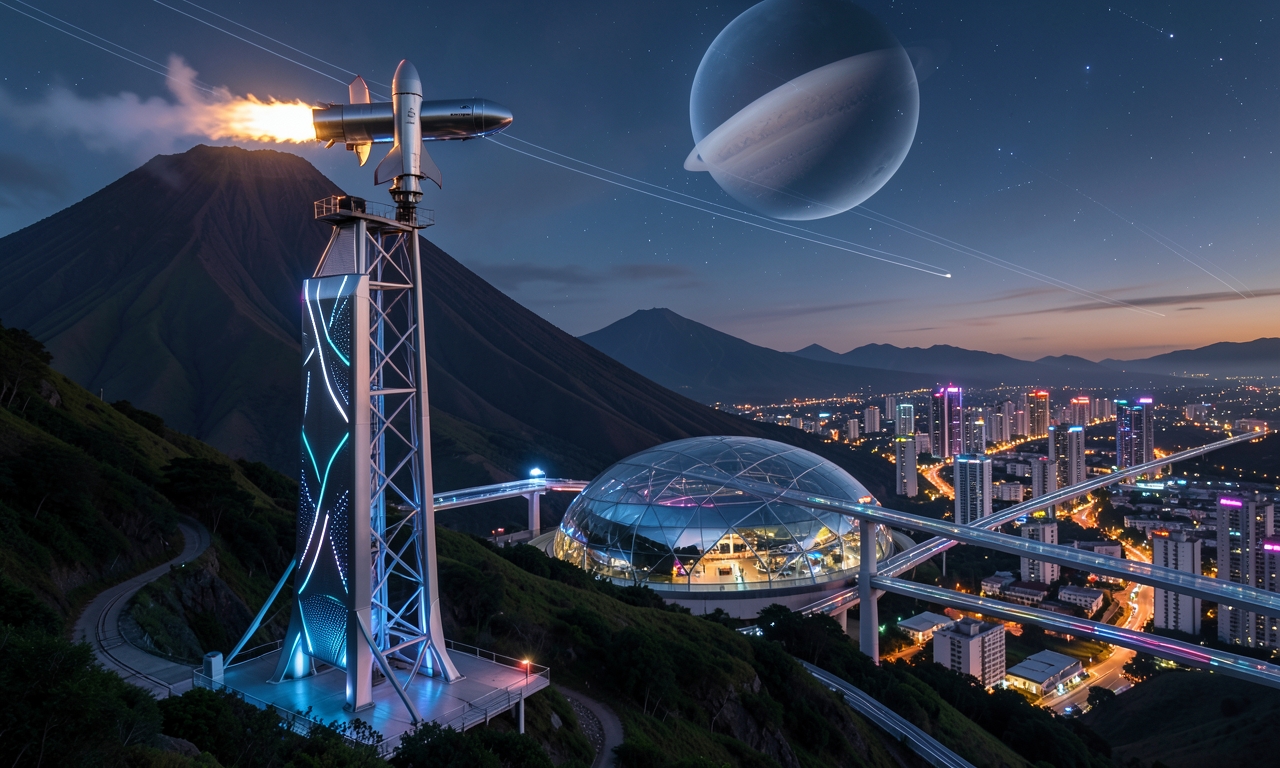
The Guadalajara metropolitan region has undergone a pronounced westward expansion since the 1986 FIFA World Cup. New residential and commercial districts have been built on the slopes of ancient volcanoes that dominate the local terrain.
Legacy of historic infrastructure
Stadiums and transport links constructed for the tournament formed the backbone for subsequent growth phases. Modern transit systems have been upgraded to accommodate a rising population and increasing employment demand.
Economic stimulus
The World Cup generated long‑term investments, especially visible in the service sector and real‑estate market. Companies leveraged the heightened global profile to establish operations in the expanding western zone.
Environment and geography
The expansion occurs on terrain shaped by extinct volcanoes, posing unique challenges for urban planning, including seismic safety and sustainable resource management.
Future outlook
Ongoing infrastructure projects and a growing populace ensure that Guadalajara remains a prominent case study of post‑event urban transformation.