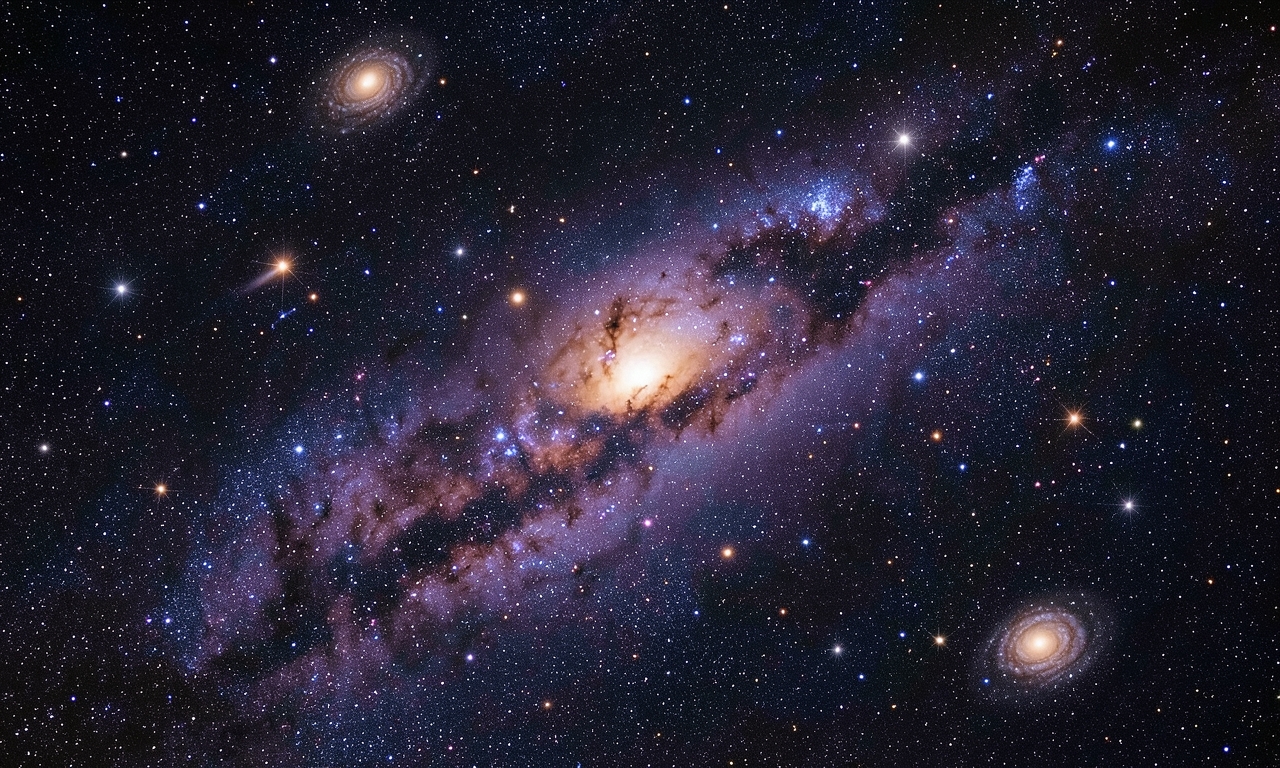
A clear summer night over the colonies
On the evening of July 4, 1776, the day the Declaration of Independence was signed, weather records show dry and warm conditions in Philadelphia. Minimal cloud cover allowed stars to be easily seen.
Visible stars and constellations
The Sagittarius constellation dominated the southern sky, while Orion was setting in the west. Bright stars such as Sirius, the brightest star in the night, were prominent, and Venus appeared as the morning star.
Planetary highlights
Mars was in favorable opposition, making it unusually bright and conspicuous. Jupiter was positioned toward the southwest, displaying its four largest moons first observed by Galileo in 1610.
Contemporary observations
Benjamin Franklin, an avid amateur astronomer, had already conducted his famous kite‑and‑key experiments in 1752 and was familiar with celestial observations. His notes from that night describe a sparkling sky briefly interrupted by the first fireworks of the celebration.
Relevance for modern commemorations
The clear night of 1776 provides a historic reference for the United States’ 250th anniversary celebrations. Today, astronomers can use simulation software to recreate the exact positions of stars and planets, offering a visual link to that historic evening.