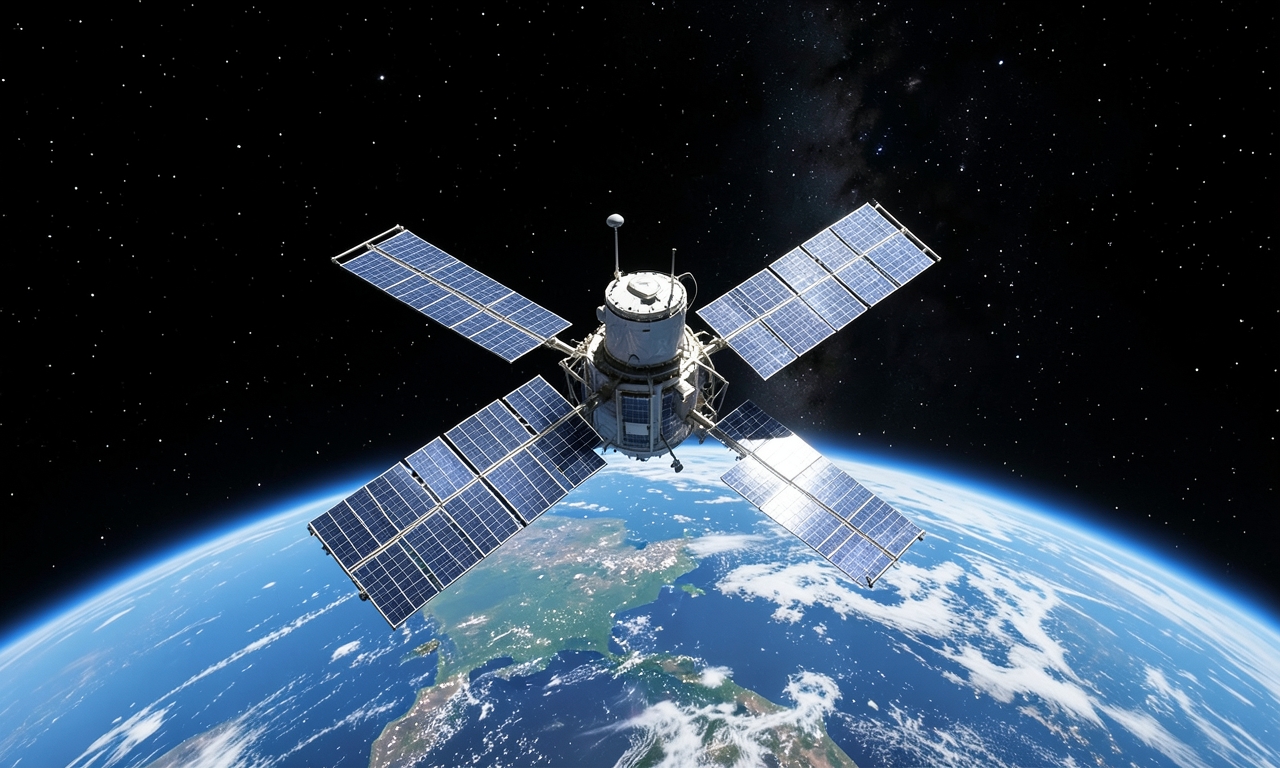
Two New Galileo Satellites Enter Service
European authorities have confirmed that two further satellites of the Galileo system have been formally taken into active service. This increases the constellation by two units, improving positioning accuracy and timing for users worldwide.
Galileo is the European Union’s independent global navigation satellite system, operated by the European Space Agency (ESA) and the European Commission. Since the launch of the first satellite in 2011, the system has provided real‑time positioning services for transport, agriculture, emergency response and many other sectors.
Although the two newly added satellites are now operational, four first‑generation units remain awaiting launch. The next pair is scheduled for lift‑off at the end of the current year, after which the orbital gap should be closed.
Each additional satellite raises the network’s resistance to outages and its independence from other global navigation systems. Officials stress that the ongoing expansion fulfills the goal of delivering a sovereign, reliable navigation service for Europe and its partners.
The new satellites transmit on the same frequency bands as their predecessors and support both the open service signal and the encrypted public regulated signal. Consequently they remain fully compatible with existing receivers while offering enhanced resilience against interference. This expansion is part of a long‑term plan to raise the number of operational Galileo satellites above thirty, ensuring redundancy and worldwide coverage.