Astronomy & Universe

Dense Galaxies Carve a Bubble in the Early Universe

1 min read
Dense Galaxies Carve a Bubble in the Early Universe
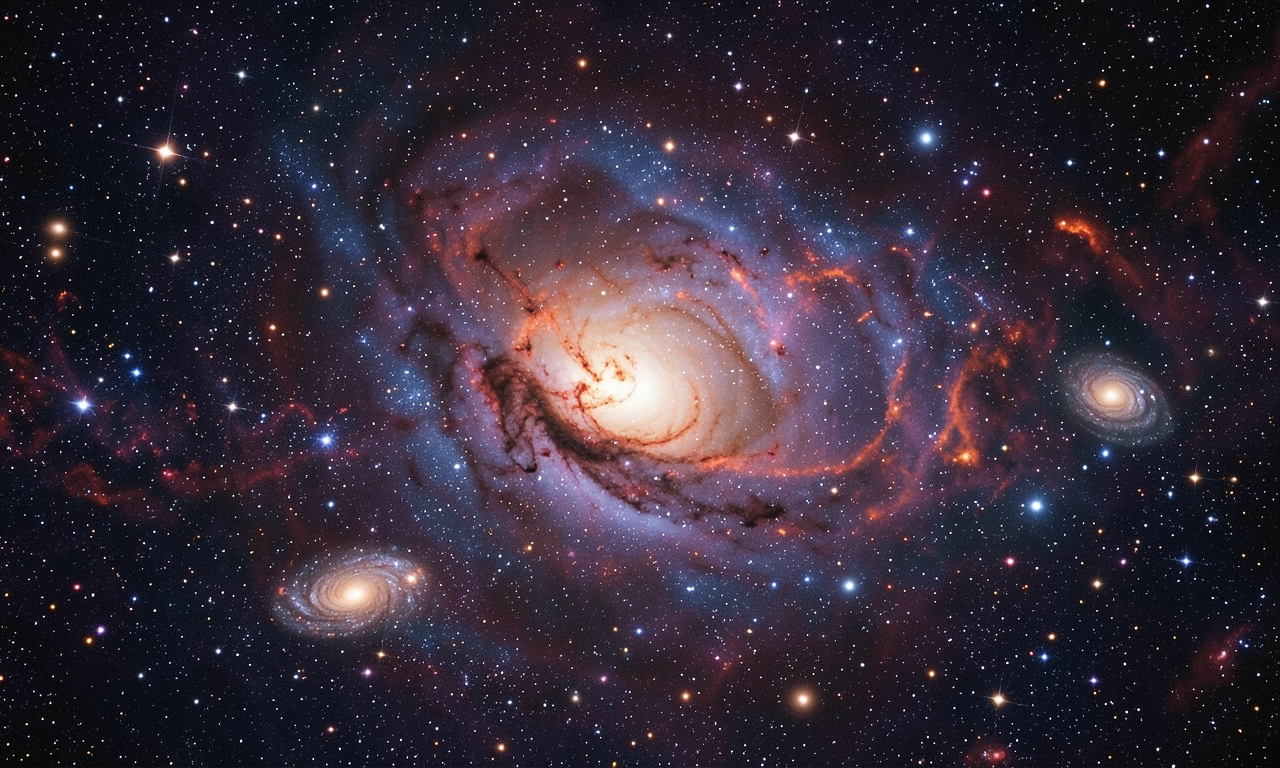
AI-generated illustration
This article was produced with AI assistance and editorially curated from public sources.

The James Webb Space Telescope has delivered its first scientific data, offering a glimpse into the early universe.

The telescope’s development was marked by financial challenges: over 25 years the costs far exceeded the original budget and the program faced cancellation several times, most notably in 2011 when the US Congress narrowly voted to keep it alive.

Current observations show that massive, dense galaxies in the young cosmos emit intense ultraviolet radiation, ionizing the surrounding gas and forming large bubbles of hot plasma.

These structures affect the temperature and density of the intergalactic medium and provide important clues about how the first stars and galaxies reshaped the universe after the Big Bang.

Frequently asked questions

Wann begannen die ersten wissenschaftlichen Ergebnisse des JWST zu erscheinen?

Sie begannen kurz nach dem Start des Teleskops im Jahr 2022 zu eintreffen.

Warum war die Finanzierung des JWST lange unsicher?

Das Projekt ging weit über das ursprünglich geplante Budget hinaus und musste mehrmals um zusätzliche Mittel kämpfen.

Was bedeutet die Bildung von Blasen durch dichte Galaxien für das frühe Universum?

Die Blasen heizen das umliegende Gas auf und können die Sternentstehung in benachbarten Regionen beeinflussen.