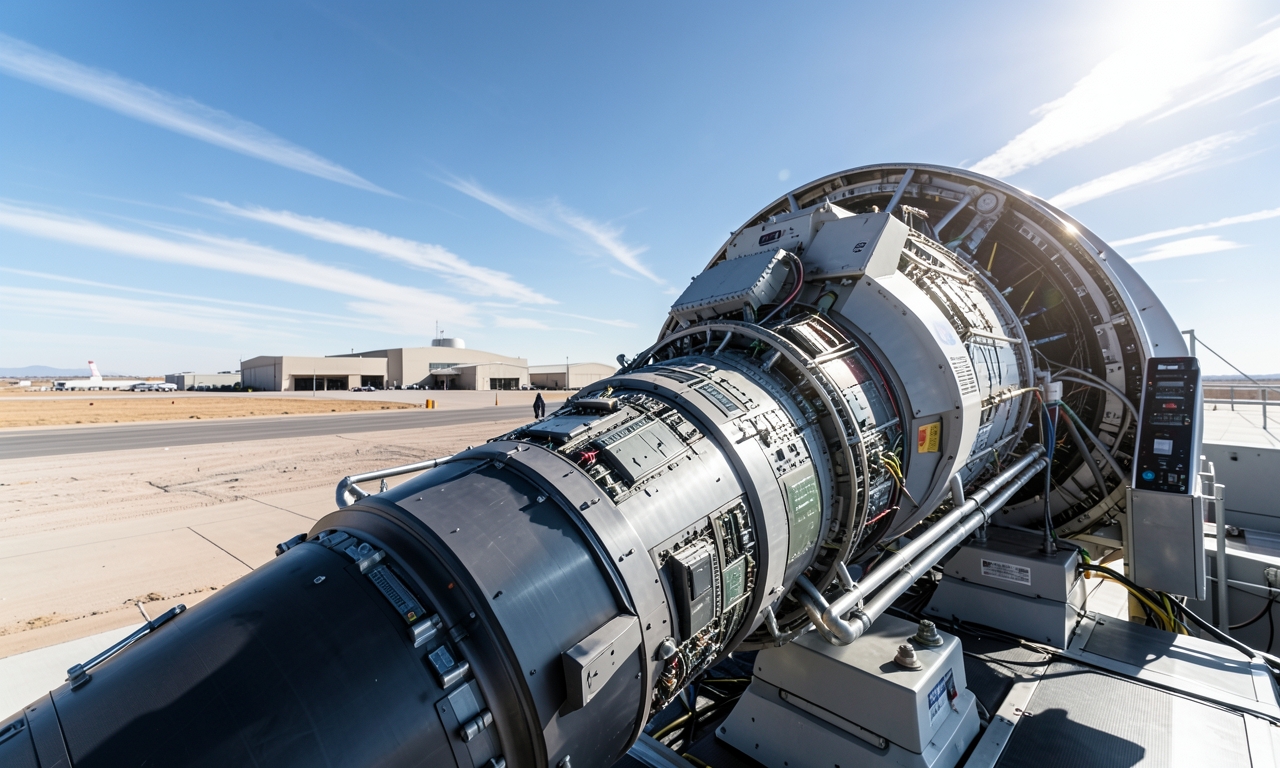
A Day of Intensive Flight Tests
At the Armstrong Flight Research Center in Edwards, California, engineers conducted a series of flight tests centered on the Crossflow Attenuated Natural Laminar Flow (CATNLF) initiative. Several sorties were flown using a specially designed wing profile intended to maximize natural laminar flow across the surface.
Objectives of the CATNLF Program
The program seeks to lower aircraft drag by mitigating cross‑flow vortices that normally disrupt laminar layers. By refining wing geometry and actively controlling crossflow, the effort aims to achieve fuel savings and greater overall efficiency for future air transport.
Test Flights Conducted
- Departures from Edwards Air Force Base using a modified test aircraft.
- Surface and flow measurements captured with onboard sensors and infrared imaging.
- Variations in angle of attack to assess laminar behavior under diverse conditions.
Preliminary data indicate that the new wing configuration maintained laminar flow over a larger portion of the wing compared with conventional designs. Analysts are now processing the results to determine potential integration into next‑generation commercial aircraft.