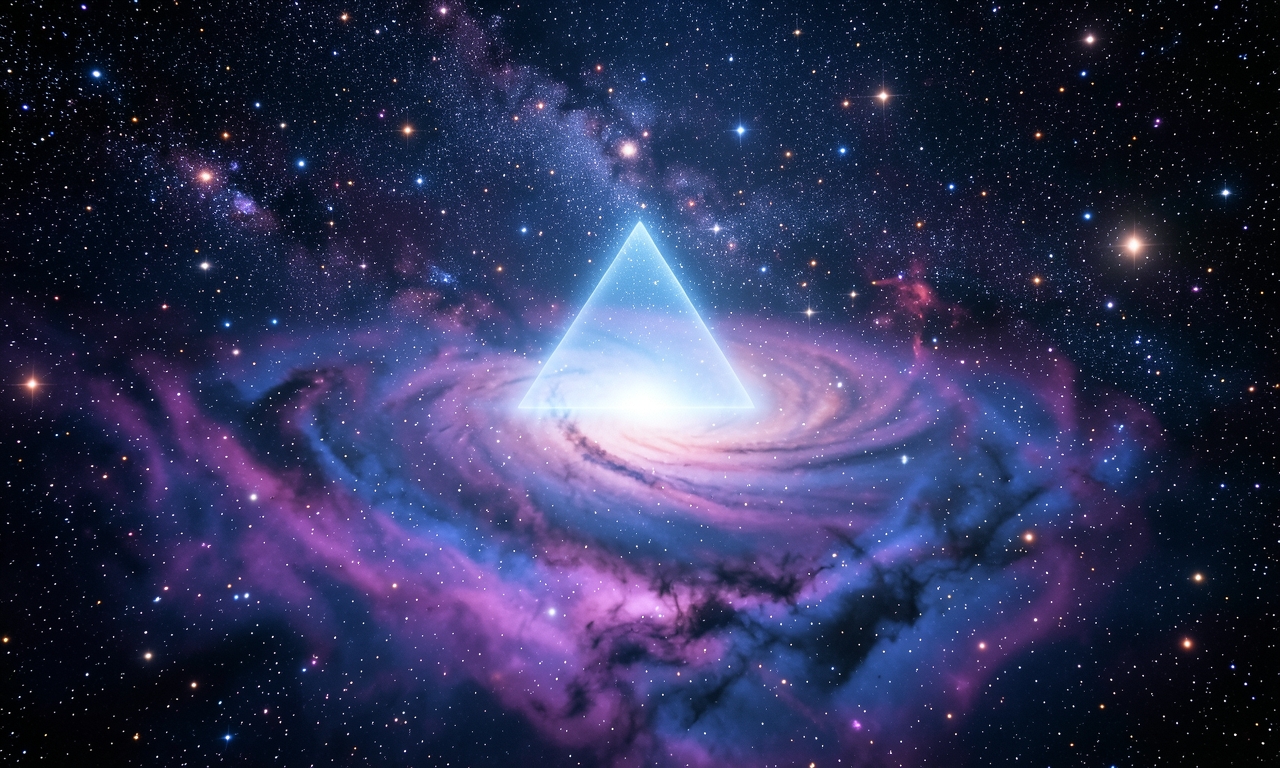
Before sunrise, observers sometimes notice a faint, triangular glow rising from the eastern horizon. This phenomenon is known as the zodiacal light and results from sunlight scattered by interplanetary dust particles in the inner solar system.
What is the zodiacal light?
The zodiacal light is not emitted by stars or planets; it is sunlight reflected by a cloud of dust that lies near the plane of the planetary orbits. The dust originates mainly from comets and asteroids and scatters sunlight, creating a faint, diffuse glow.
When and where can it be observed?
- The best viewing periods are the weeks surrounding the spring and autumn equinoxes, when the ecliptic is at a steep angle to the horizon.
- A dark sky far from artificial light sources is essential; even modest light pollution can overwhelm the faint glow.
- Observers should look toward the east before dawn (or west after dusk) and allow their eyes to adapt to darkness for at least 20 minutes.
Observing tips
No optical aid is needed; the naked eye suffices when dark‑adapted. A slight elevation improves the view of the horizon. For photography, a long exposure on a tripod is required because the light is very faint.