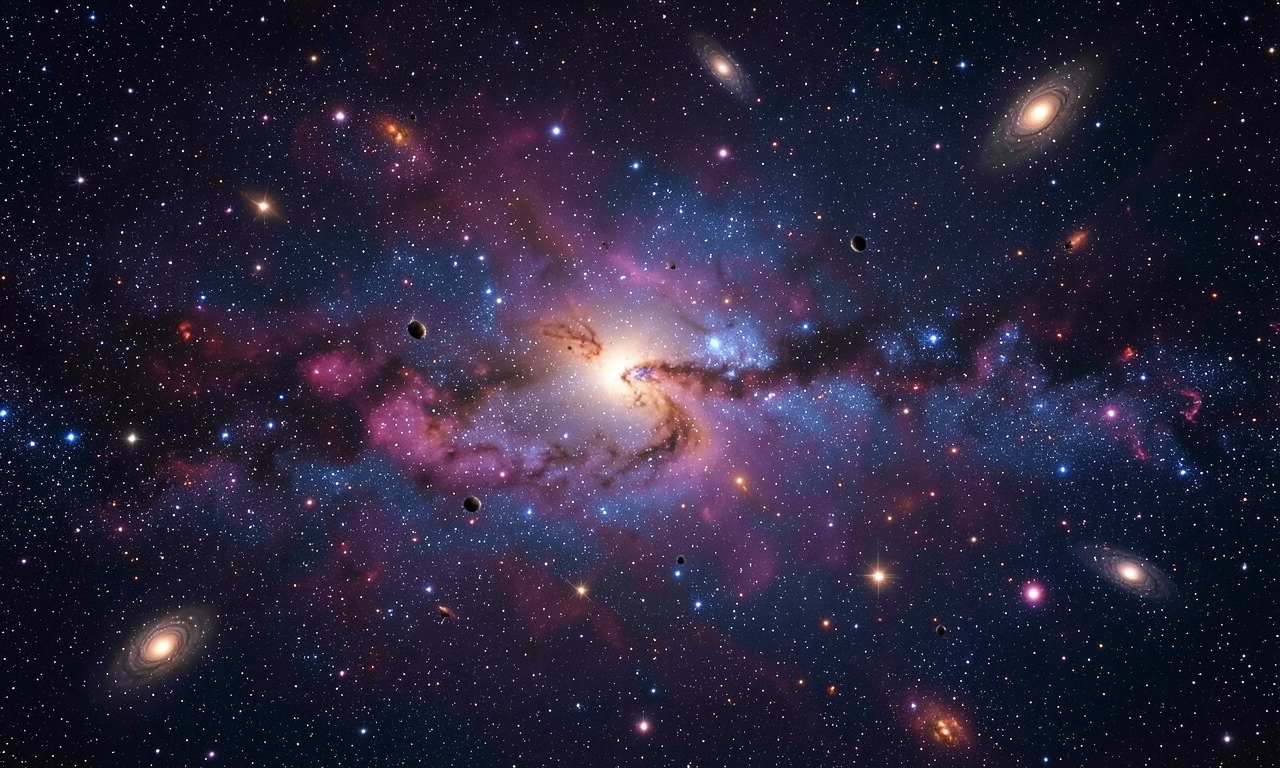
The James Webb Space Telescope has delivered one of its largest images to date of the star‑forming region IC 348. The infrared view reveals a crowded field of nascent stars embedded in glowing gas and dust clouds.
Astronomers targeted the region in a search for substellar objects, specifically brown dwarfs, which lack sufficient mass to sustain hydrogen fusion but are more massive than planets.
The survey identified several candidates with masses around two times that of Jupiter. These objects sit well below the previous lower mass limit for brown dwarfs, pushing the known mass range into new territory.
Insights from the data shed light on how such low‑mass condensations can form alongside ordinary stars in the same environment. The results suggest that the processes governing star and brown‑dwarf formation are closely linked, possibly sharing common physical mechanisms.