BepiColombo heading for Mercury
Launched on 20 October 2018, the joint ESA‑JAXA BepiColombo spacecraft has travelled for almost eight years, using a carefully designed series of planetary flybys and solar‑electric propulsion to gradually shrink its orbit around the Sun.
Each flyby at Venus and Earth has provided a gravity assist, saving energy and adjusting velocity without expending large amounts of propellant. This method enables the mission to overcome the Sun’s strong gravitational pull in the inner solar system.
The spacecraft is now in the final phase of its approach to Mercury, the smallest and innermost planet. Scientists are preparing the onboard instruments for the upcoming observation phase once BepiColombo enters orbit.
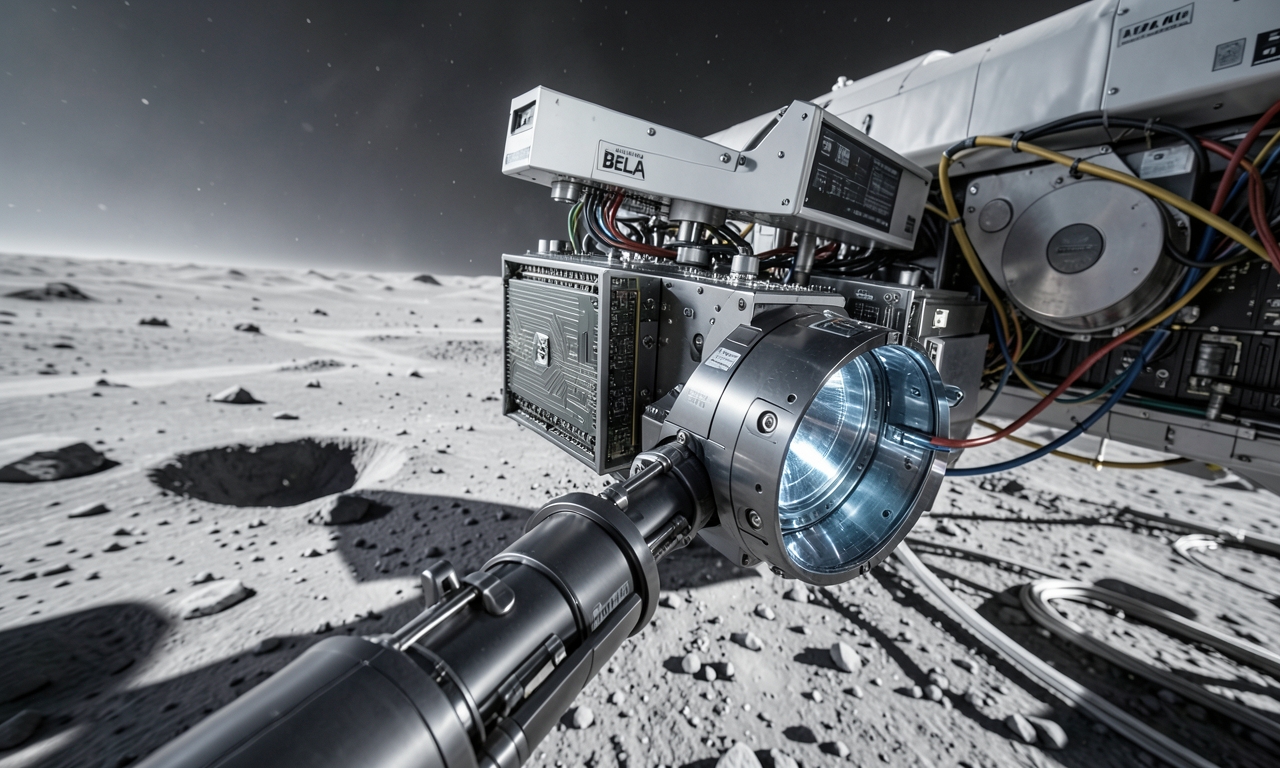
A key payload is the BELA laser altimeter, which is ready to map Mercury’s topography with high precision. The resulting data will reveal geological features, crater shapes and possible internal processes of the planet.