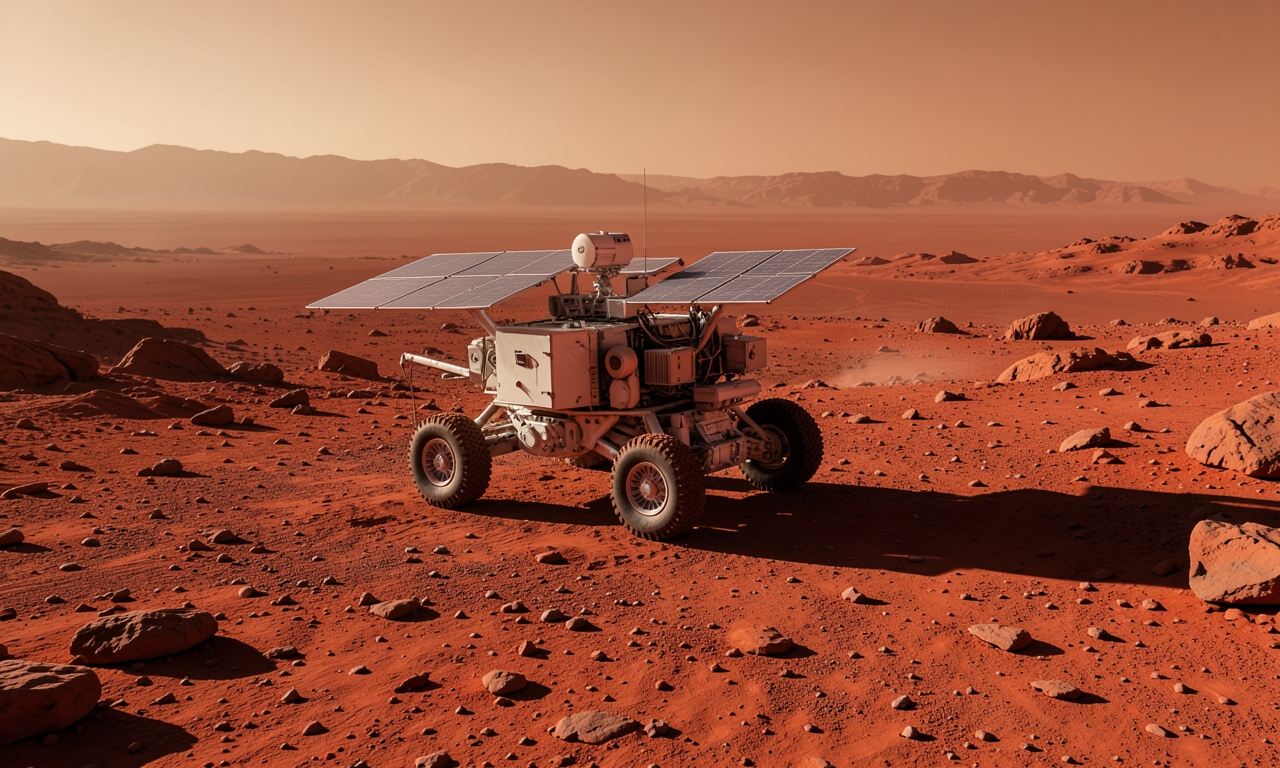
The European Space Agency’s orbiter Mars Express has released new high‑resolution images of the Mamers Valles valley system on Mars. The pictures display an extensive network of canyons and valleys intersected by a multitude of small, swirling dust storms.
Dust devils as transient phenomena
These vortices resemble terrestrial tornadoes but are far smaller, forming when localized temperature gradients generate upward air currents. On the Red Planet they appear as brief, rotating dust clouds that persist for minutes to a few hours.
Detection by Mars Express
Equipped with a camera that has been operating since 2003, Mars Express captured the sunlight reflected off the dust whirls during optimal illumination conditions. By stitching together several frames, researchers mapped the frequency and spatial distribution of dust devils across Mamers Valles.
Implications for Mars research
Dust devils affect surface temperature and dust transport, influencing both the planning of lander missions and the interpretation of surface measurements. The new dataset provides valuable input for refining atmospheric models and assessing potential hazards for upcoming rover and crewed missions.