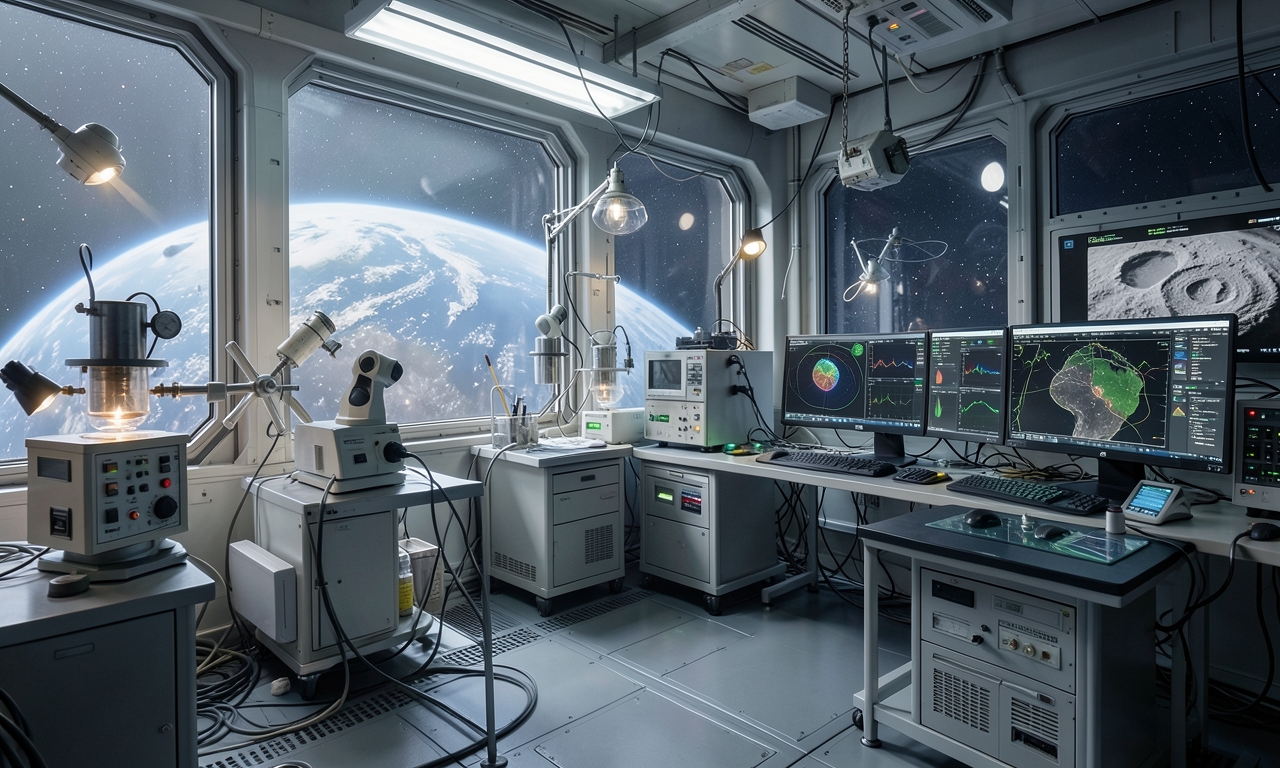
The concept that moonquakes might be used to locate ice relies on the idea that seismic waves travel through the lunar subsurface and exhibit changes that could indicate the presence of water.
By measuring these vibrations, researchers aim to pinpoint ice deposits in the permanently shadowed craters at the Moon’s south pole.
A successful detection would aid future lunar missions by identifying potential resources for drinking water, oxygen and rocket fuel.
The approach depends on the fact that seismic waves propagate differently through ice than through dry rock, allowing anomalies in the signal to reveal subsurface ice.