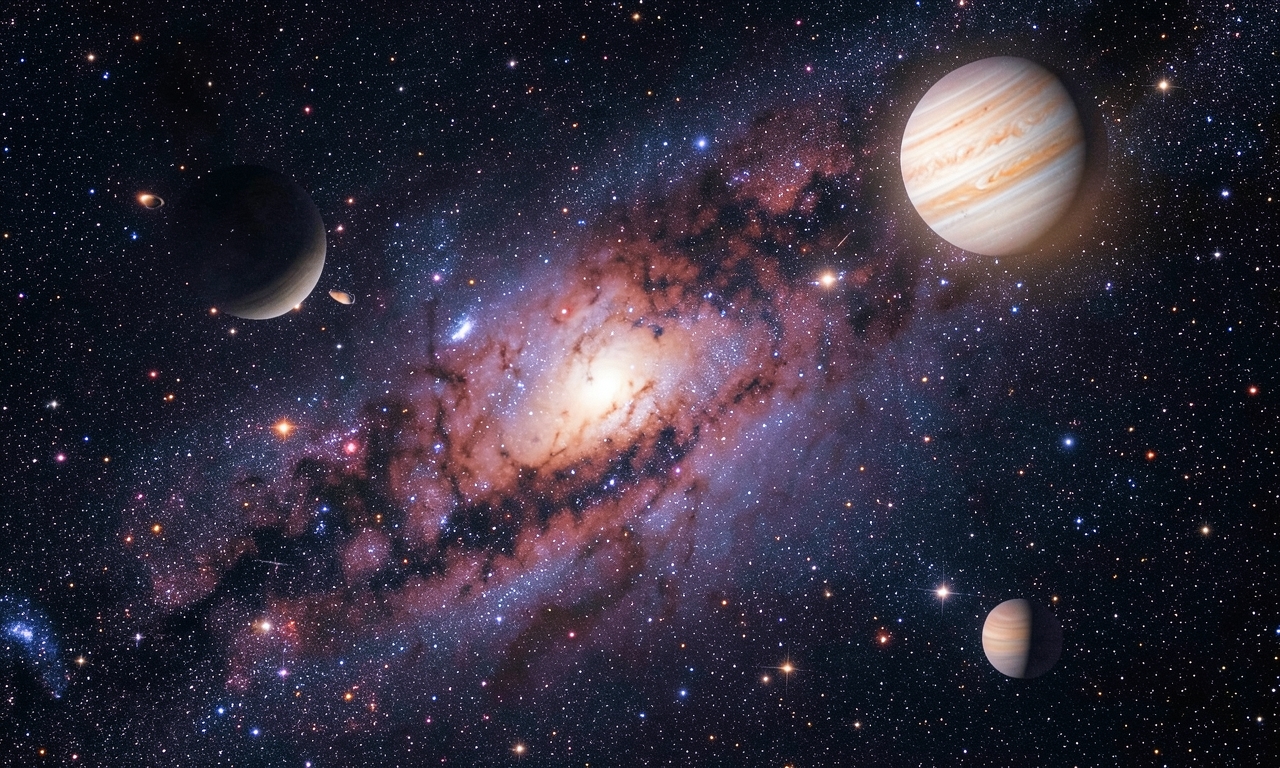
Planetary viewing around the new moon
The evenings surrounding the new moon on June 14 2026 provide especially dark skies, making it easier for amateur astronomers to spot faint objects without lunar glare.
Mercury and Venus at twilight
Mercury appears low on the western horizon shortly after sunset and remains visible for a few hours before dipping below the horizon. About ninety minutes later, Venus climbs higher and stays bright well into the night.
Jupiter as a nighttime centerpiece
Jupiter becomes visible in the early evening in the southern sky, reaching its highest altitude as the night progresses. To the naked eye it is a bright point, while a modest telescope reveals its four Galilean moons.
Additional observing highlights
- Clear spring air reduces atmospheric turbulence.
- Low light‑pollution sites enhance visibility.
- Neighbouring constellations such as Scorpius and Sagittarius aid navigation.
Observers are advised to choose a cloudless, dark night and bring a binocular or a telescope with at least a 50 mm aperture to appreciate planetary details and moon companions.