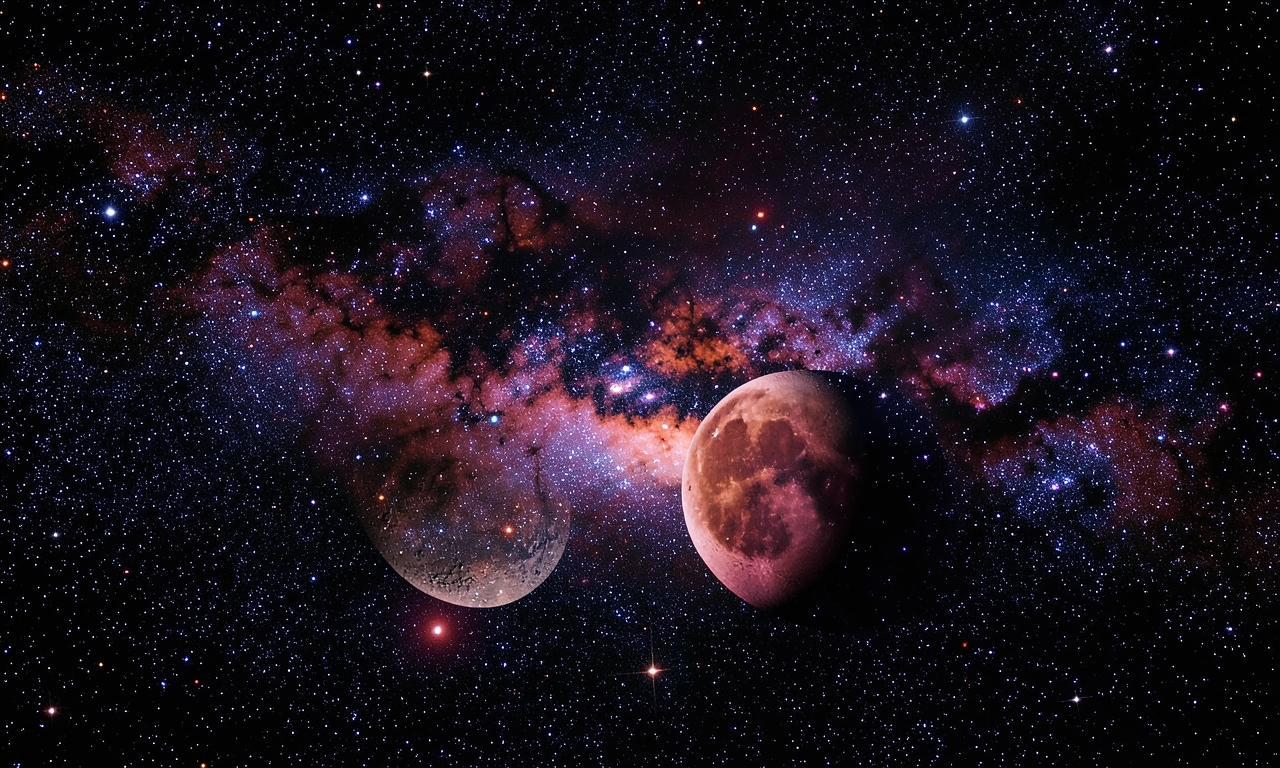
In August 2026 a partial lunar eclipse is set to take place, during which roughly 96 % of the Moon's diameter will enter Earth's umbral shadow. This occurs when the Earth lies between the Sun and the Moon, blocking part of the sunlight that would otherwise illuminate the lunar surface.
How a partial lunar eclipse forms
During a partial lunar eclipse the Moon passes only partly through the Earth's umbra, while the remainder stays in the penumbra or outside the shadow. This creates a noticeable dark patch on the Moon's disk that changes over time.
Visibility conditions
The eclipse will be visible from any location where the Moon is above the horizon at the moment of the event. Local time and time zone determine the exact timing, and the partial phase can last for several hours.
- Observer's geographic location
- Local time and time zone
- Weather and sky clarity
No special eye protection is needed to watch a partial lunar eclipse, as the Moon's light is never intense enough to harm the eyes. Binoculars or a small telescope can enhance the view of the shadowed region.